
Phase 1 Research Report

Phase 2 Research Report
Phase 3 Resources
These resources support organizations working with Muslim women experiencing gender-based violence
They include research summaries, survivor narratives, a directory of community and social services, and a community-informed logic model. Together, they offer practical information for organizations seeking to better support Muslim women.
Project Overview:
The Muslim Advisory Council of Canada (MACC), in partnership with the Centre for Community-Based Research (CCBR), undertook a community-based research project examining the barriers Muslim women face when seeking support for gender-based violence (GBV). Funded by Women and Gender Equality Canada (WAGE), the project focused on the experiences of Muslim women in Halton Region, while considering their implications for services and policies across Canada.
The research was undertaken in response to concerns about the accessibility of GBV services for Muslim women, particularly following a case of intimate partner violence in Milton, Ontario. Although Muslim communities represent a growing proportion of Canada's population, there remains limited research examining how Muslim women experience and navigate GBV support systems.
Muslim women may encounter several barriers when seeking assistance, including community stigma, financial insecurity, language barriers, discrimination, and concerns about how their religious and cultural identities will be understood by service providers. These challenges can overlap, making it difficult for women to access services that respond to their circumstances.
Through this project, MACC and CCBR sought to better understand these experiences, identify promising approaches already being used by service providers, and develop practical resources to improve access to support. The research also aimed to inform broader conversations about GBV prevention, service delivery, and the need to address Islamophobia within Canadian institutions.
Research questions:
What are the intersectional barriers that Muslim women in Halton and across Canada face in disclosing GBV and accessing services, resources, and help?
What are some best practices and culturally sensitive help-seeking solutions that can improve the experiences of Muslim women experiencing GBV?
What are some culturally informed practices/interventions that we can model and learn from that can be adapted to the Muslim community?
How can we build and evaluate effective practices/interventions for the Muslim community that enriches the National Action Plan to End Gender-Based Violence all while combatting islamophobia?
Research Approach and Methodology:
The project followed a community-based research approach, bringing together researchers, service providers, community organizations, and individuals with lived experience to examine barriers to GBV services and identify possible solutions. A steering committee provided guidance throughout the research process, helping to ensure that the project's direction remained informed by community needs and the experiences of those working in the GBV sector.
Phase 1: Understanding Barriers: The first phase examined the challenges Muslim women face when seeking GBV-related support. Through a literature review, surveys, focus groups, and community engagement, the research identified barriers at the community and institutional levels, including stigma, discrimination, financial insecurity, and difficulties navigating available services.
Phase 2: Identifying Promising Practices: Building on the findings from Phase 1, the second phase examined approaches used by organizations supporting Muslim women experiencing GBV. The research considered how culturally responsive, trauma-informed, and client-centred practices could help address the barriers identified in the first phase.
Phase 3: Knowledge Sharing and Capacity Building: The third phase focused on making the research findings accessible to service providers, community organizations, and the wider public. This included the development of resources, research summaries, case stories, and opportunities for discussion and collaboration between organizations working to address GBV.
Content Note: This page discusses gender-based violence, including barriers to accessing support and the experiences of women affected by violence. Some of the research findings and event materials may be sensitive for readers.
Transforming the Standard: Strengthening Networks and Cultivating Change

March 25, 2026 | Sheridan Conference Centre, Oakville
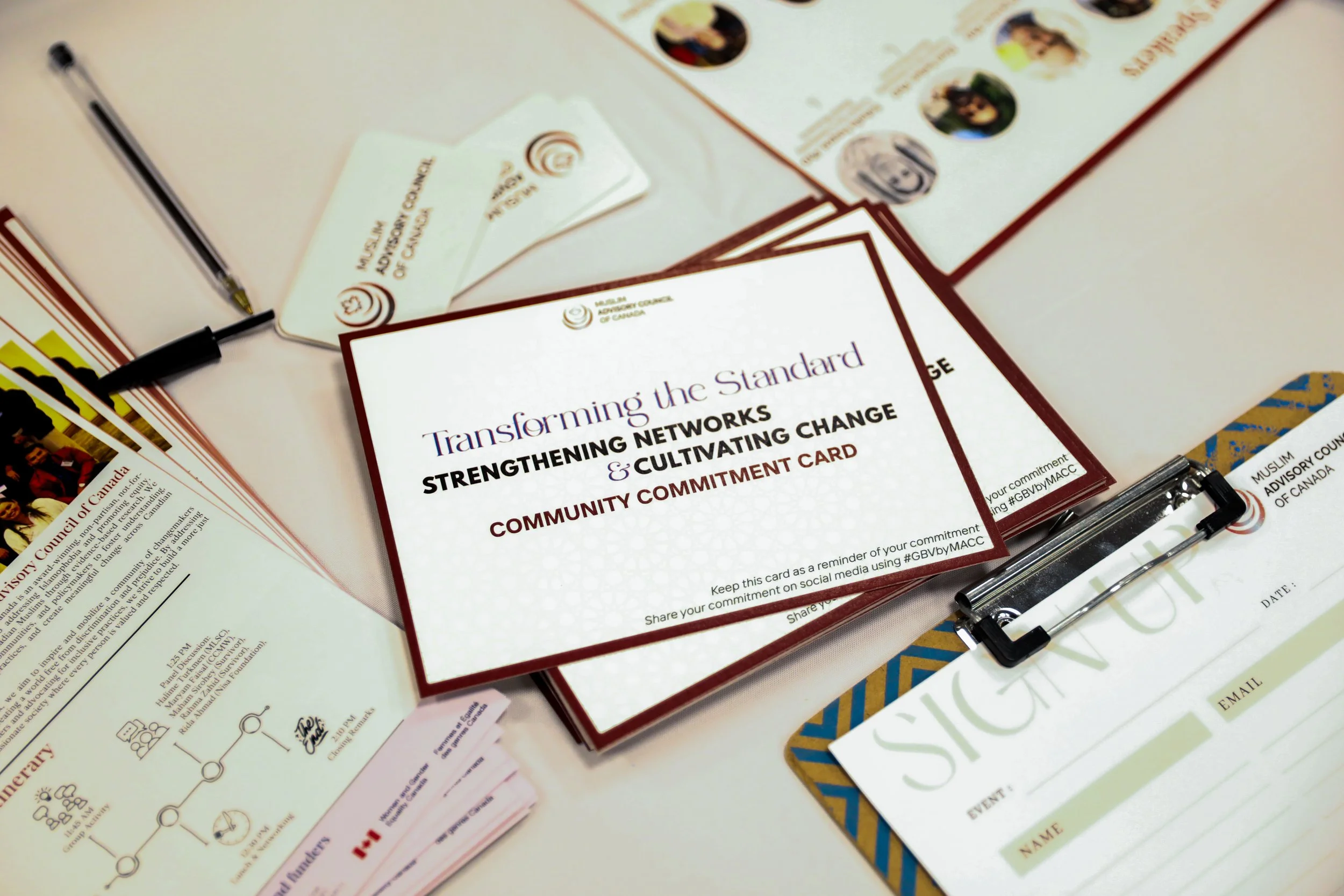
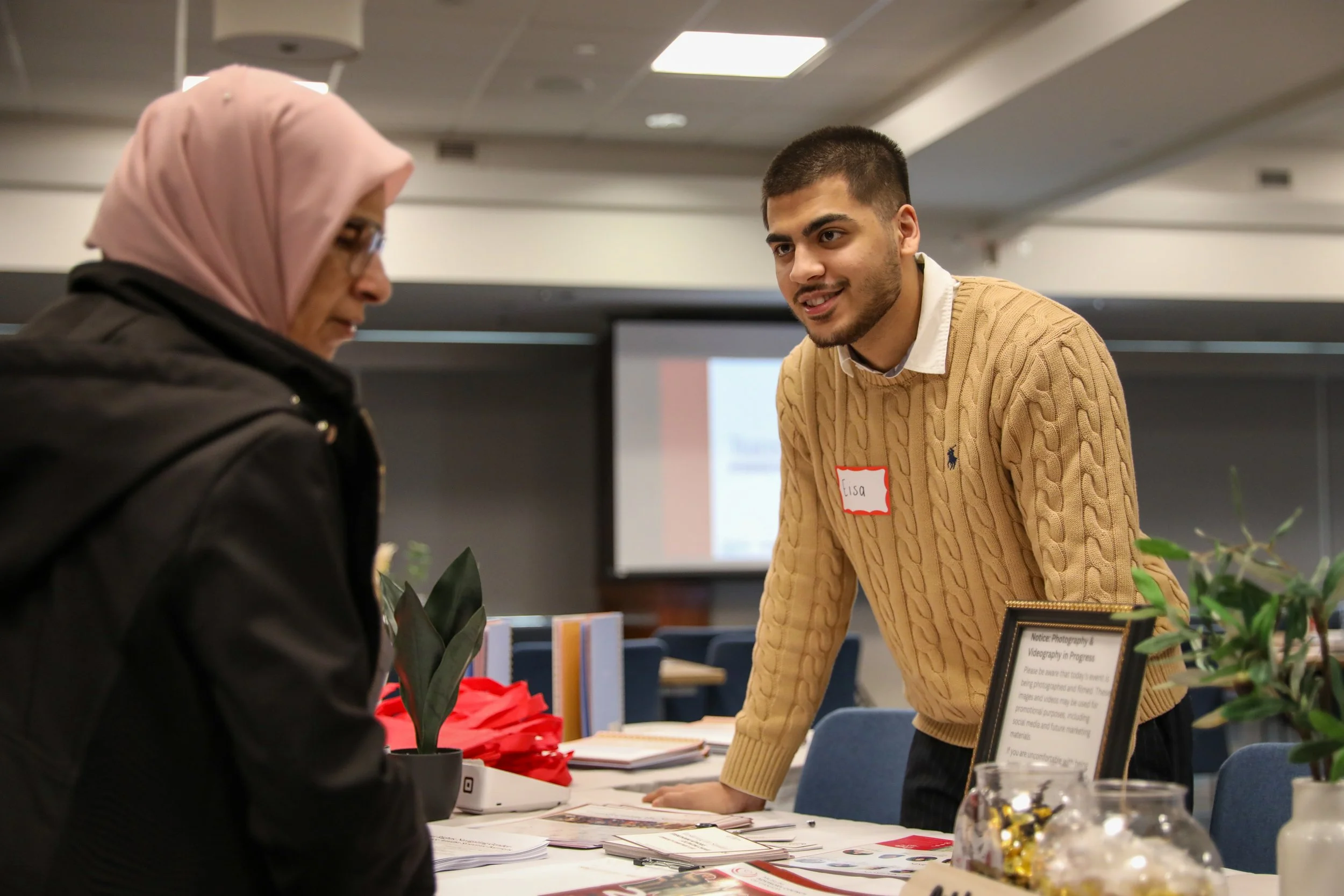
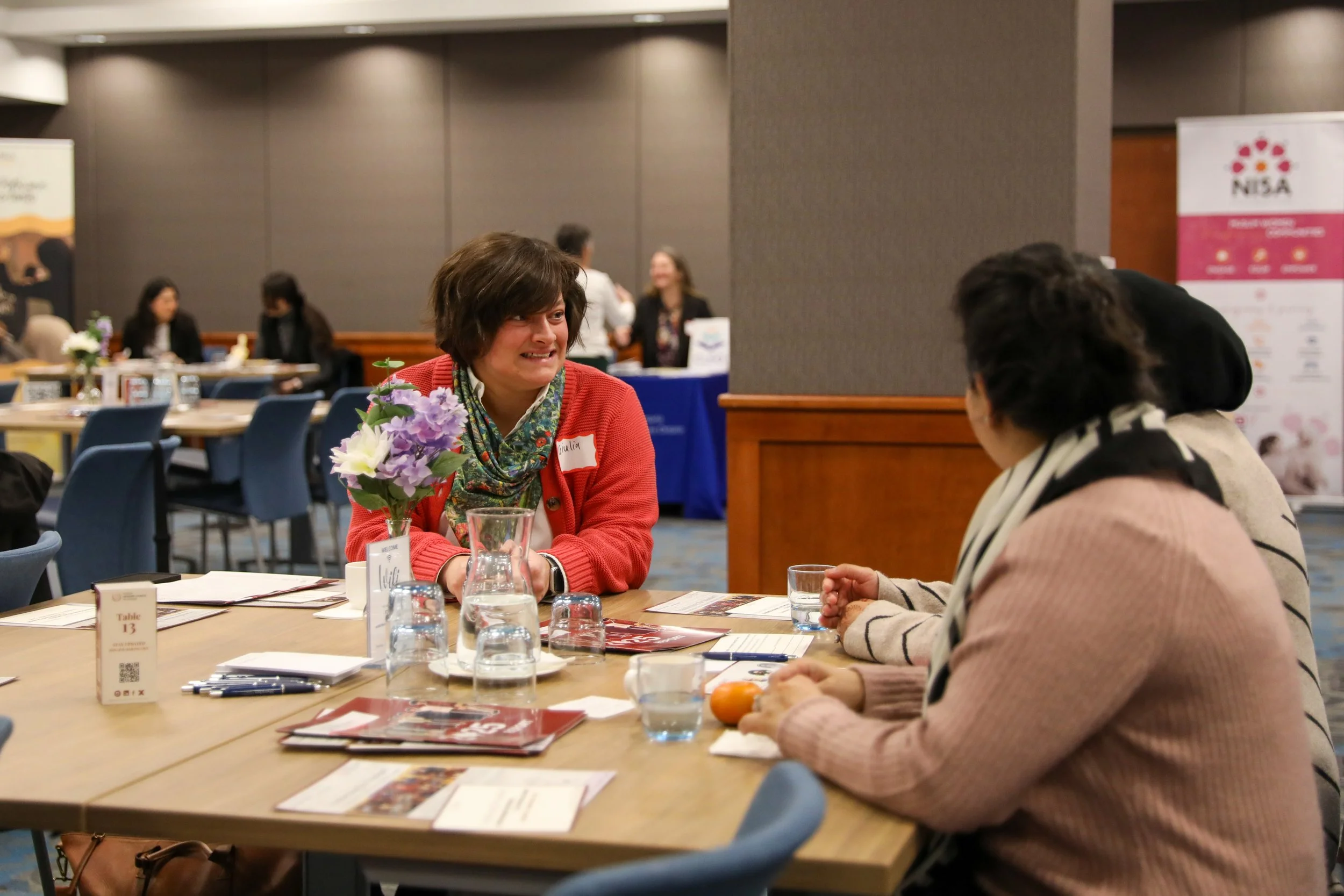
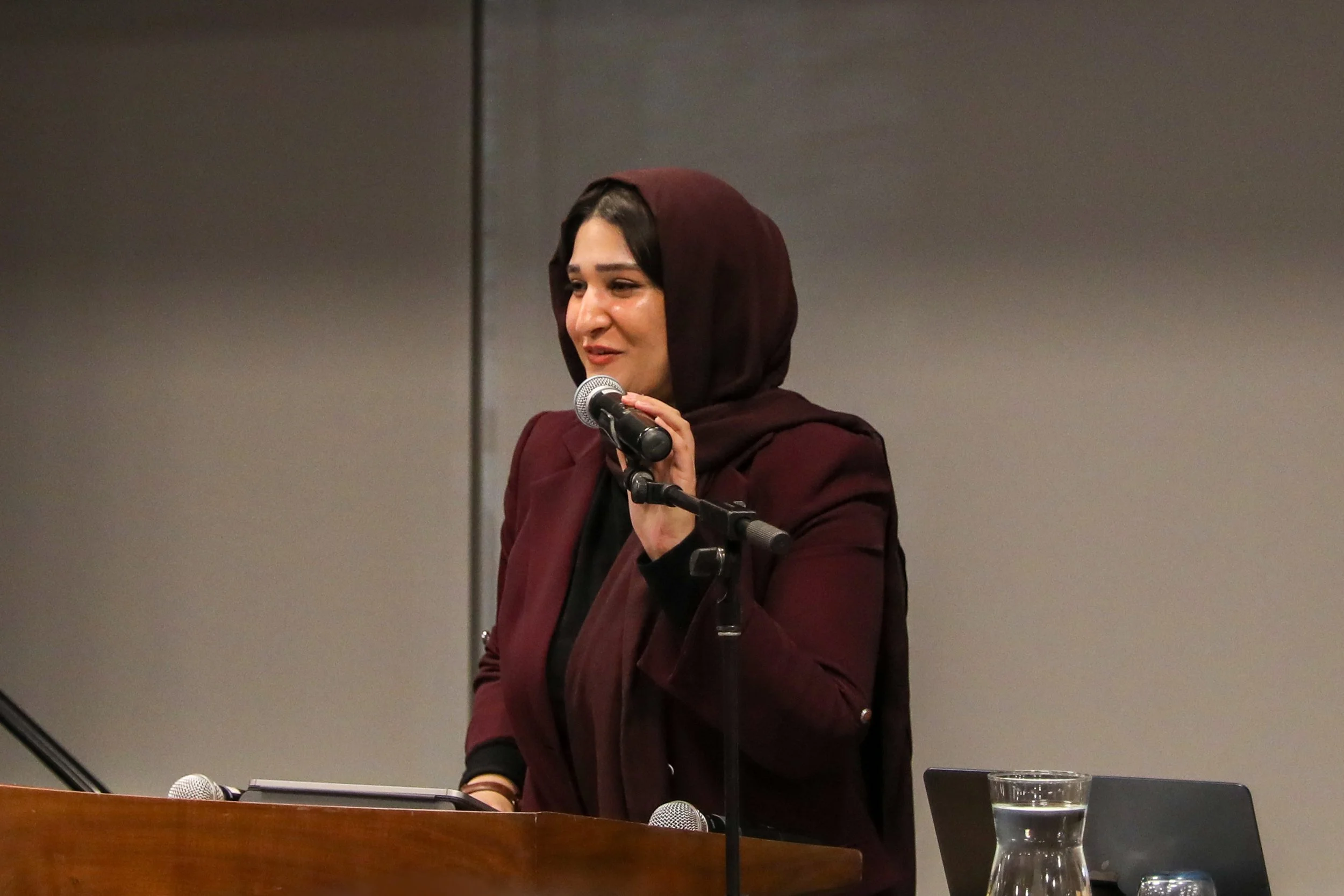
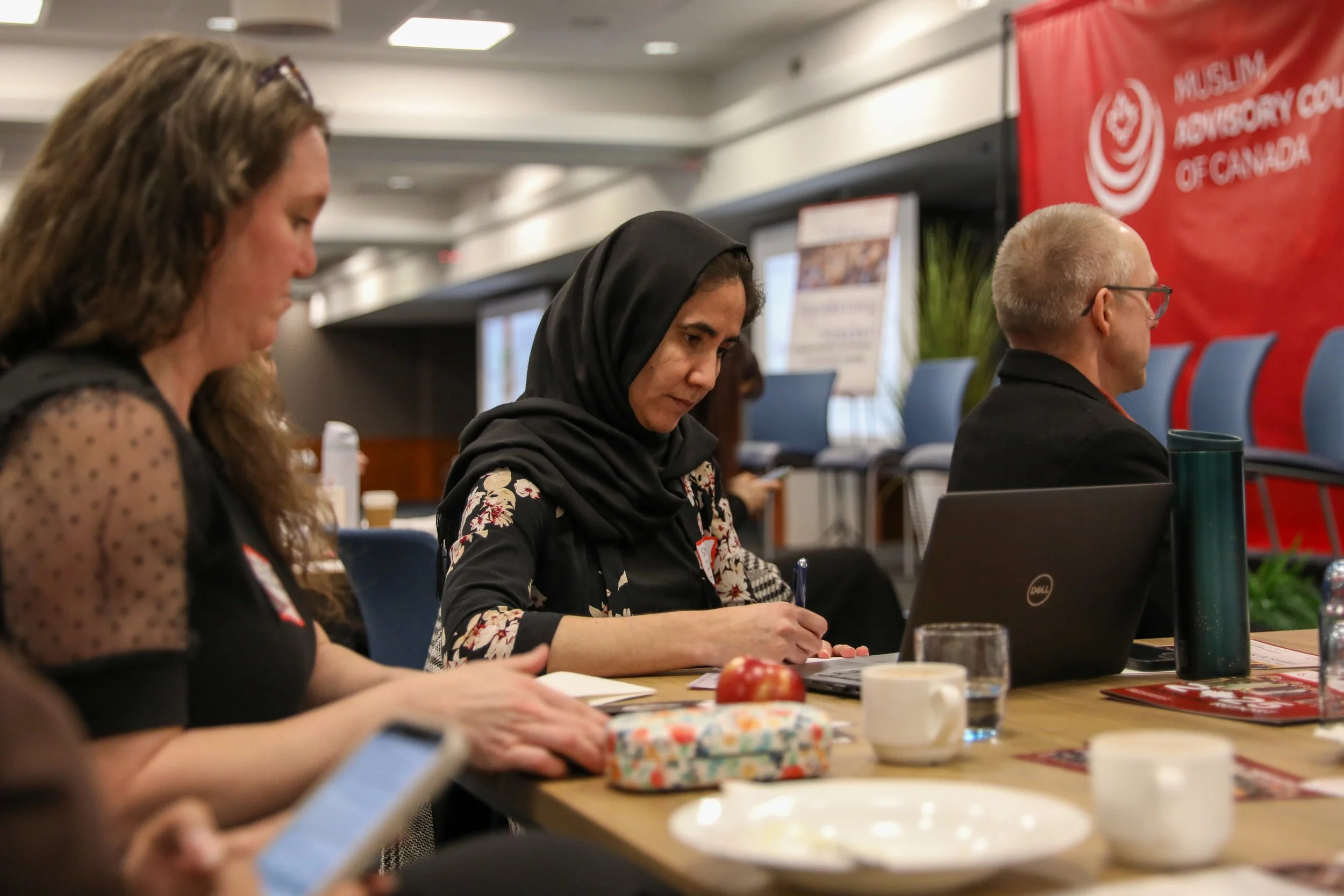
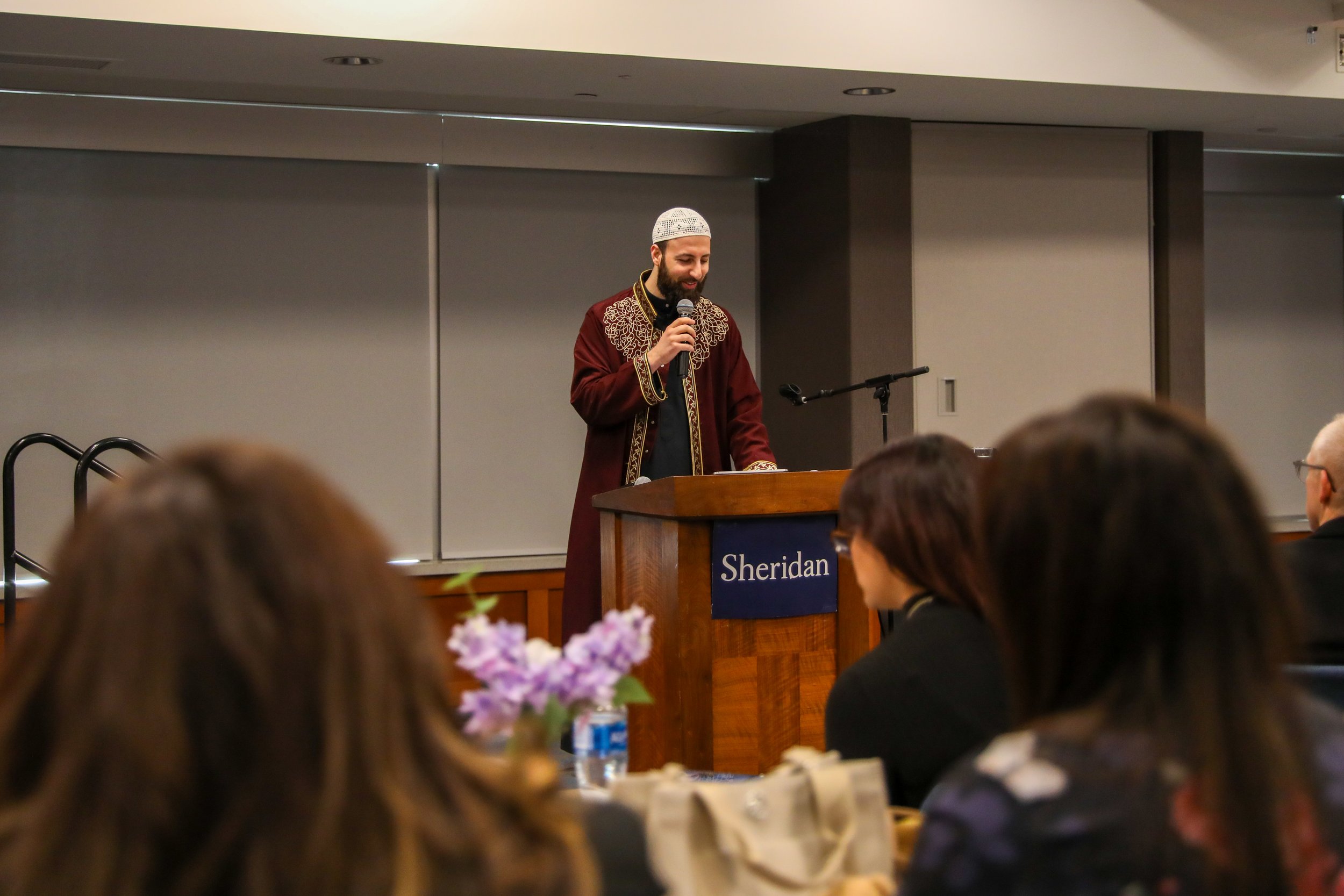
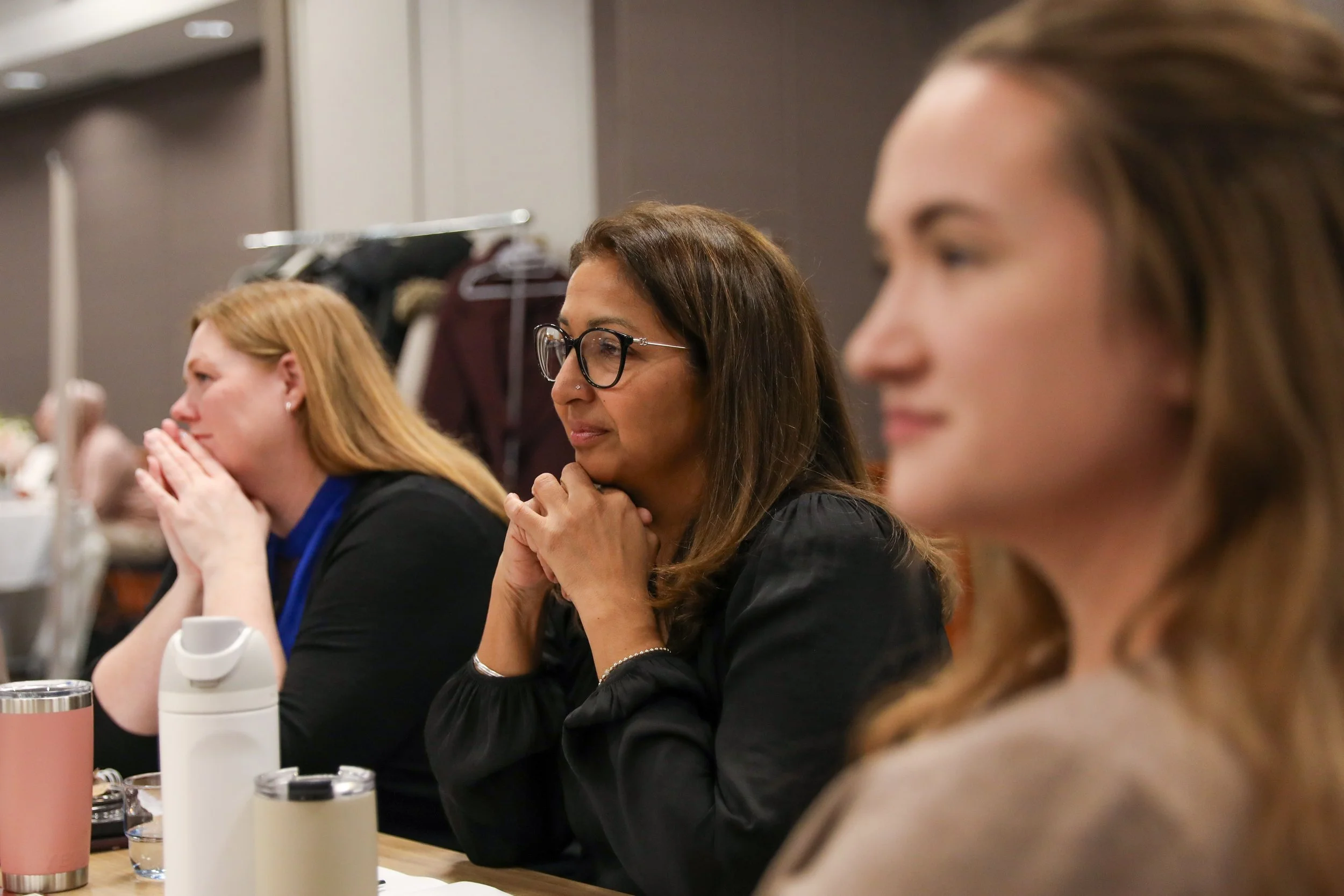
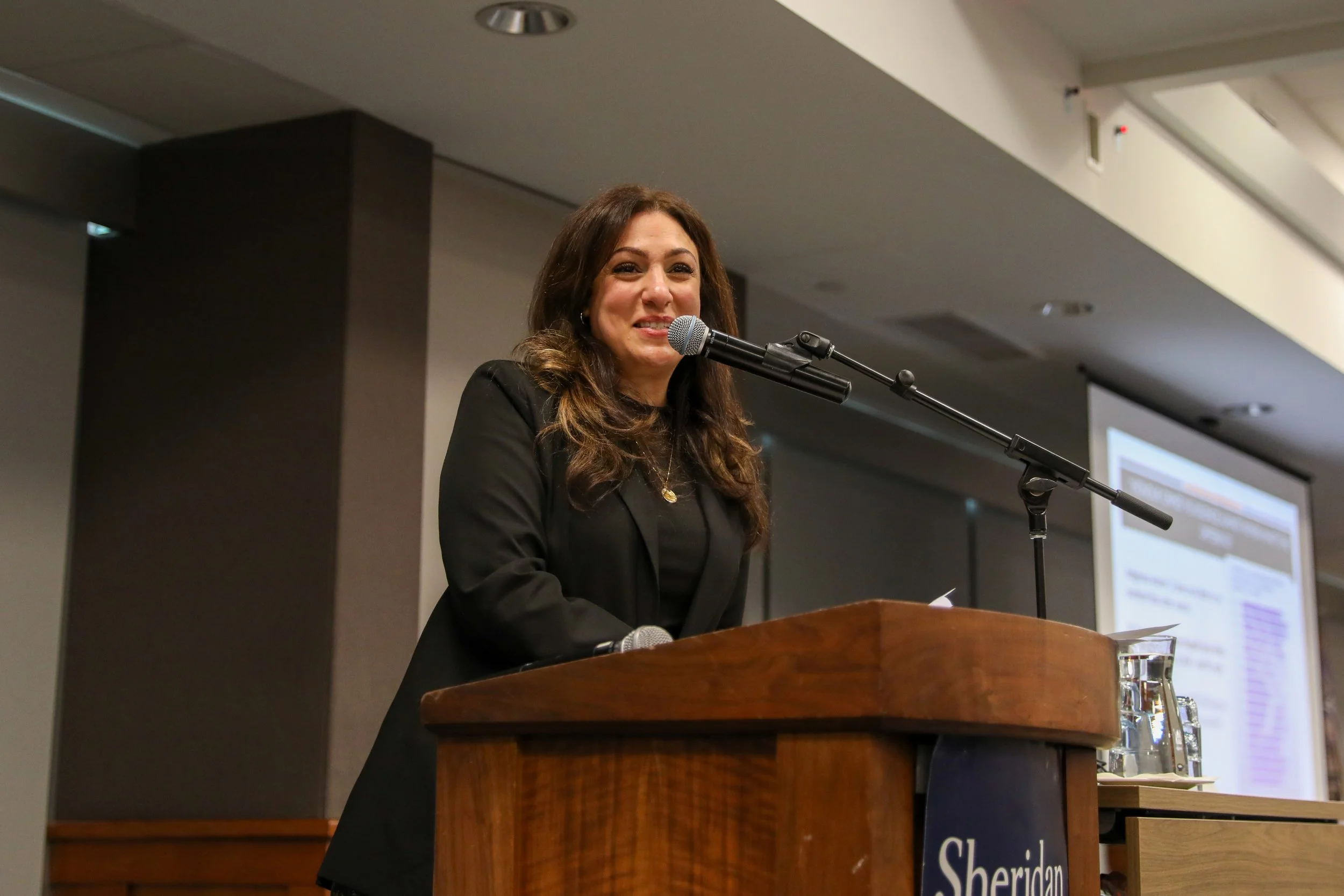
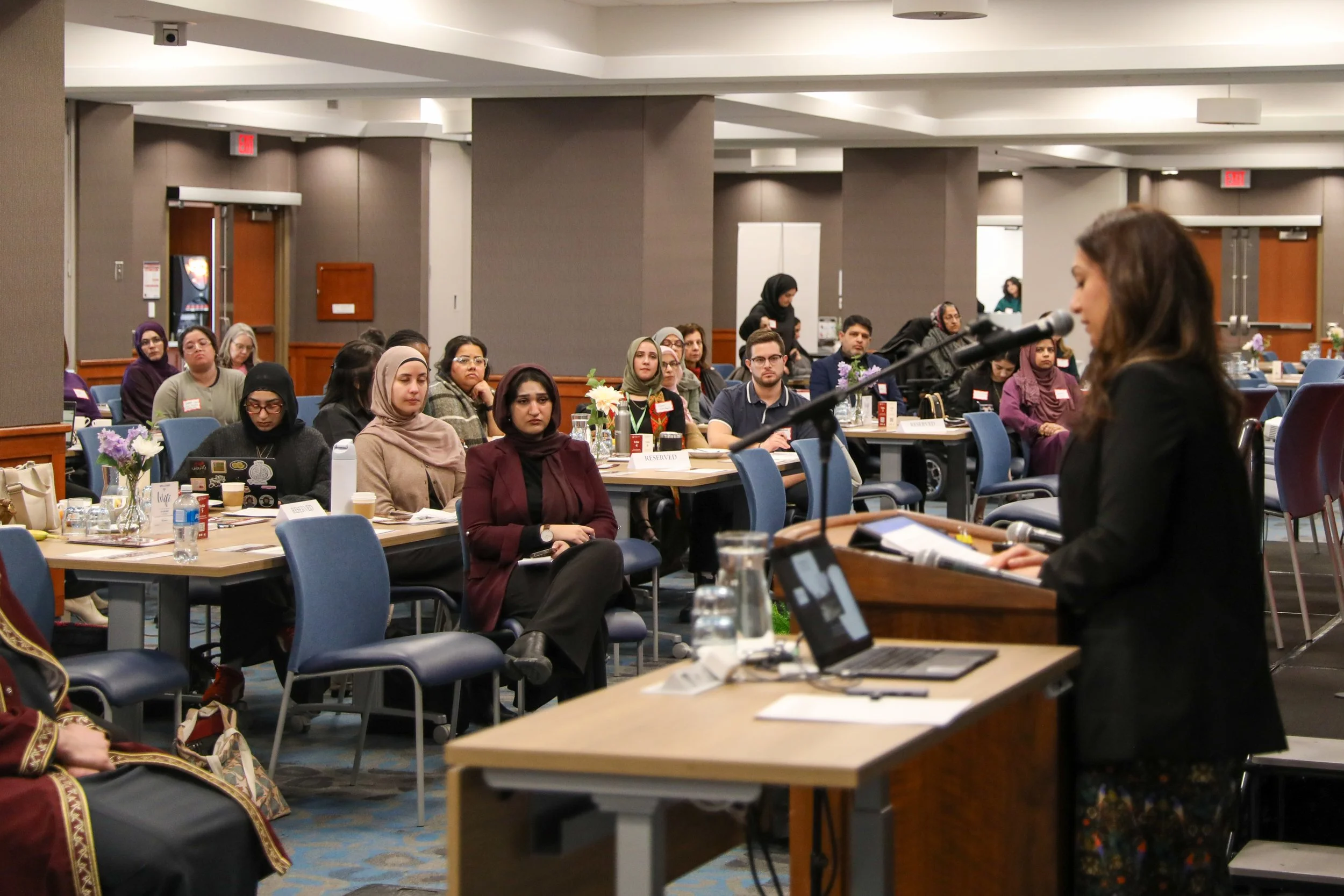
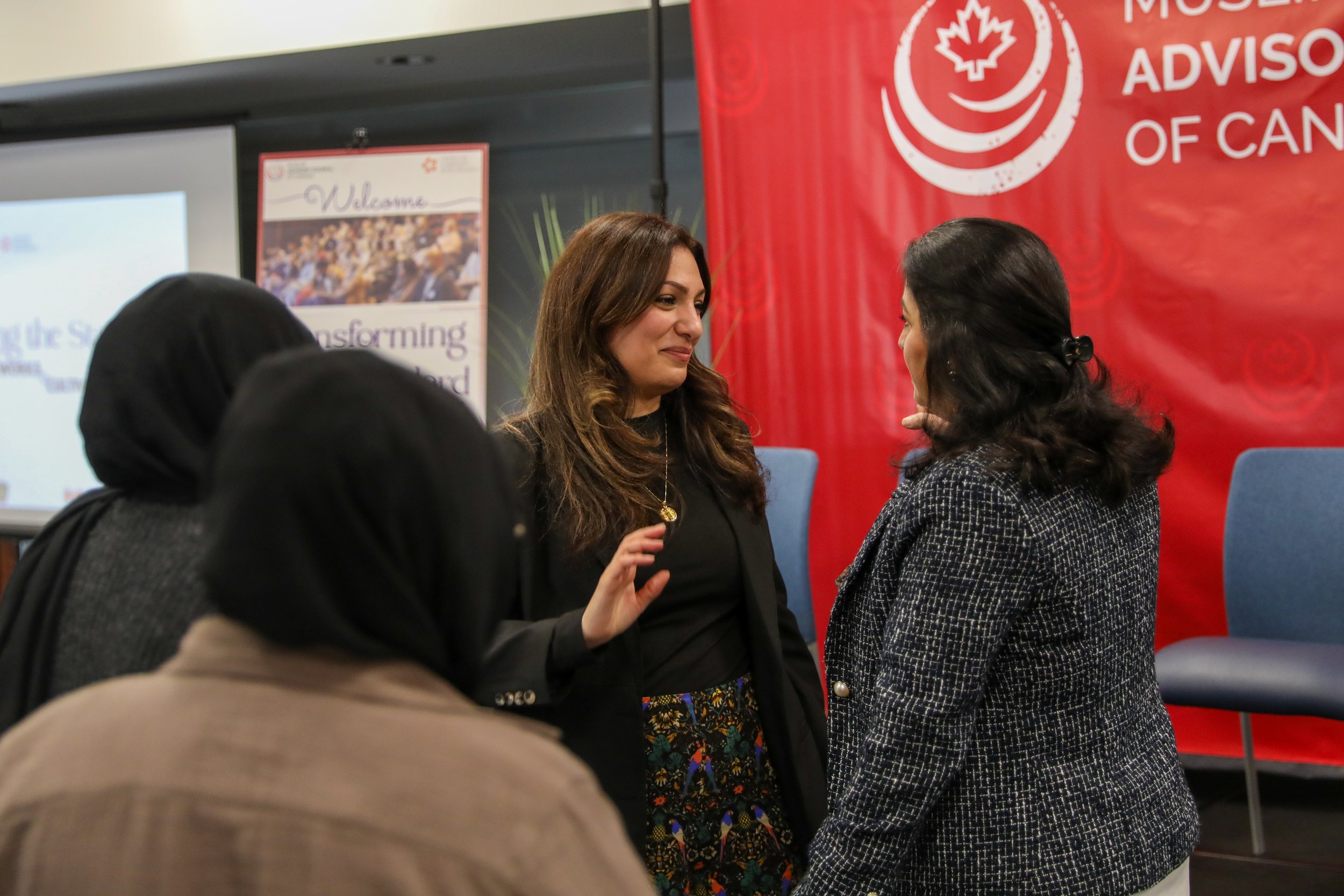
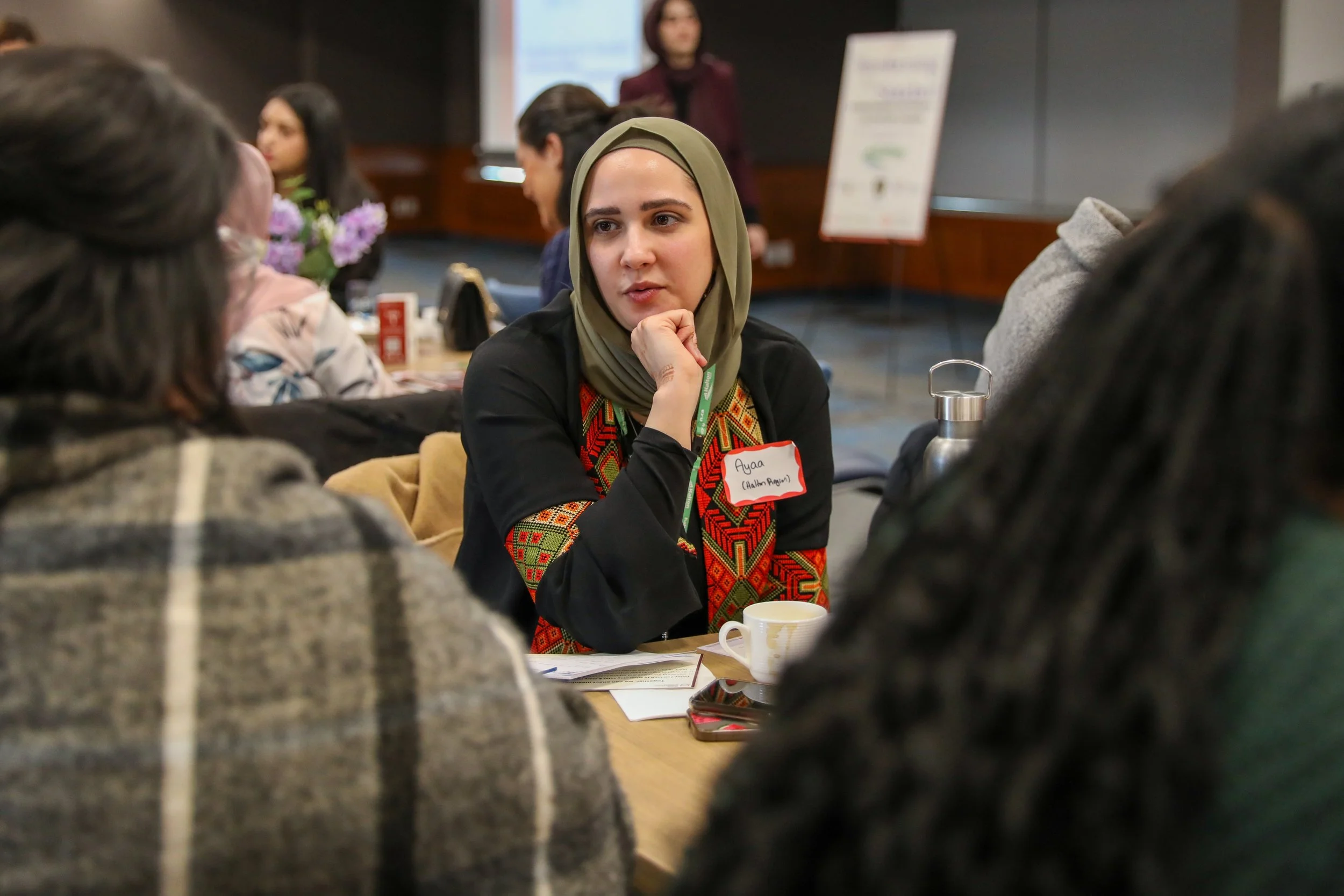
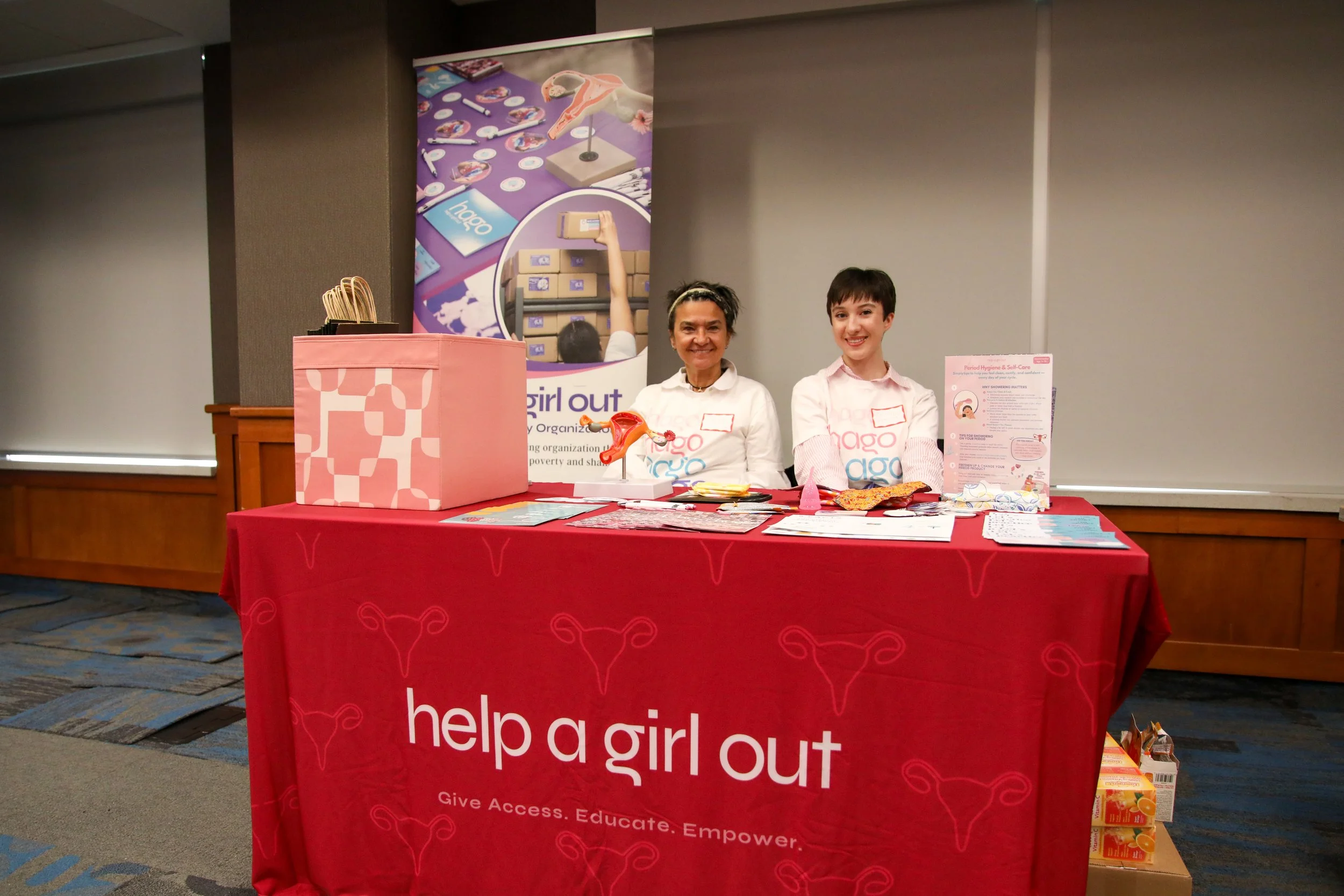
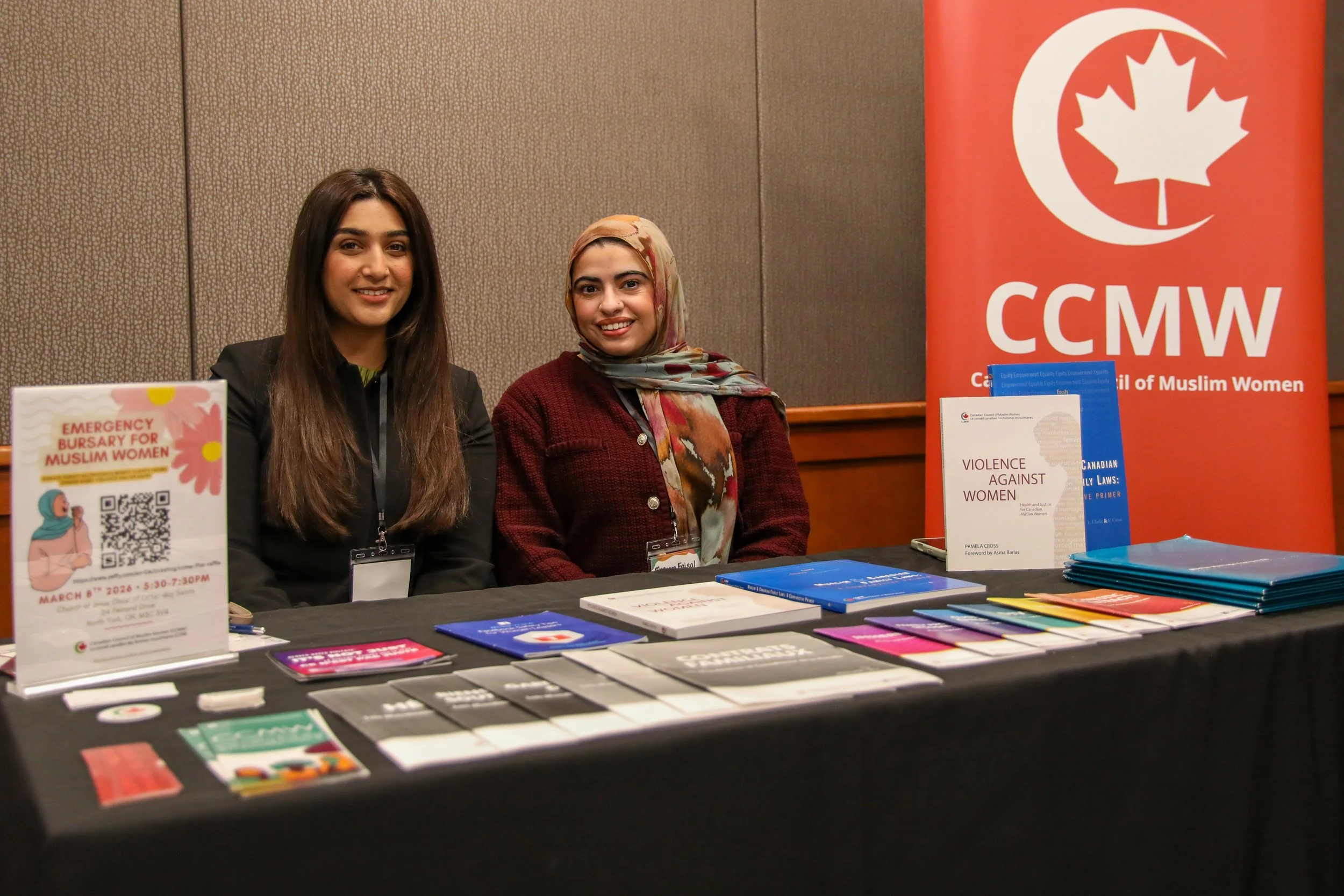
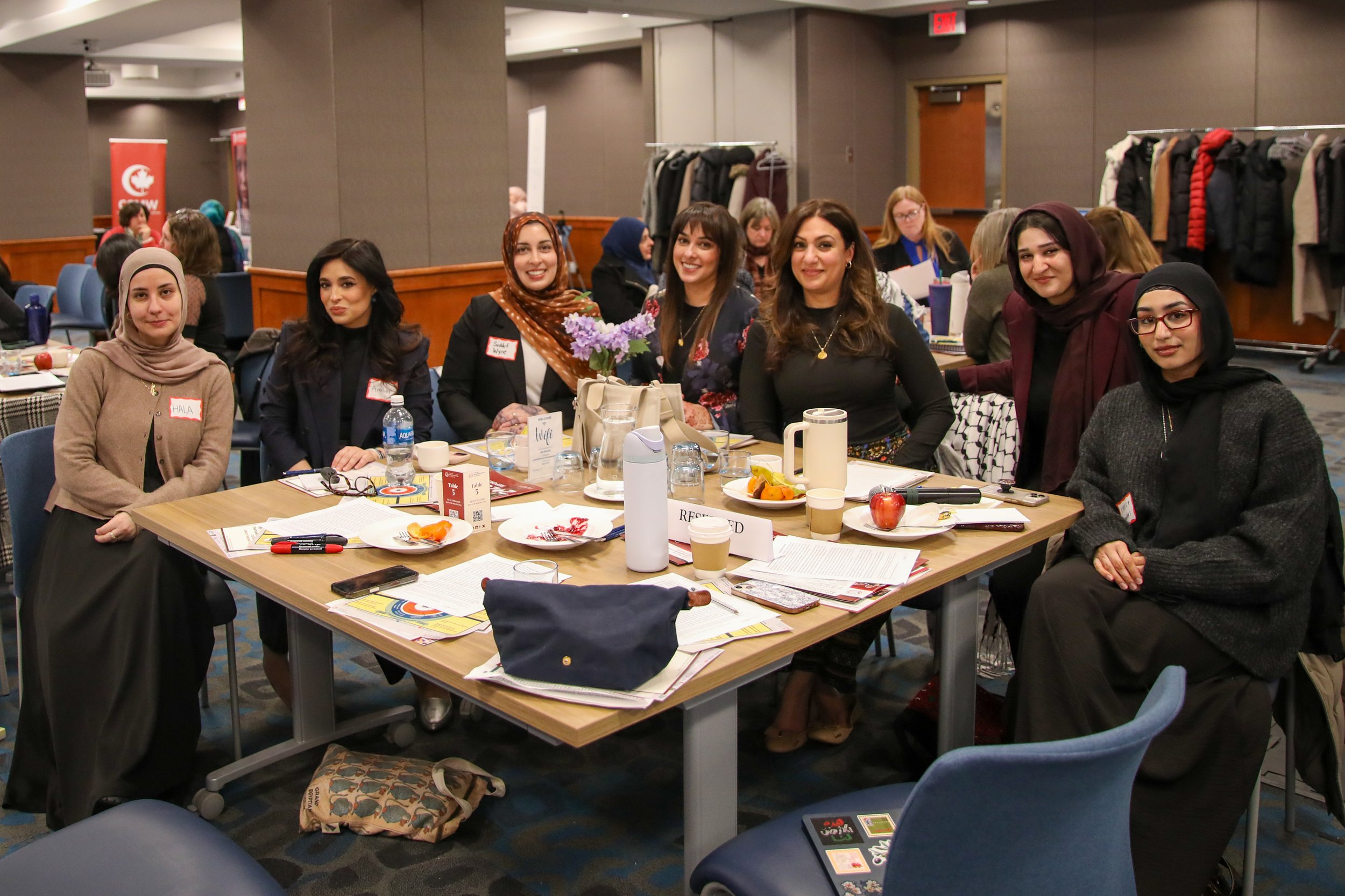
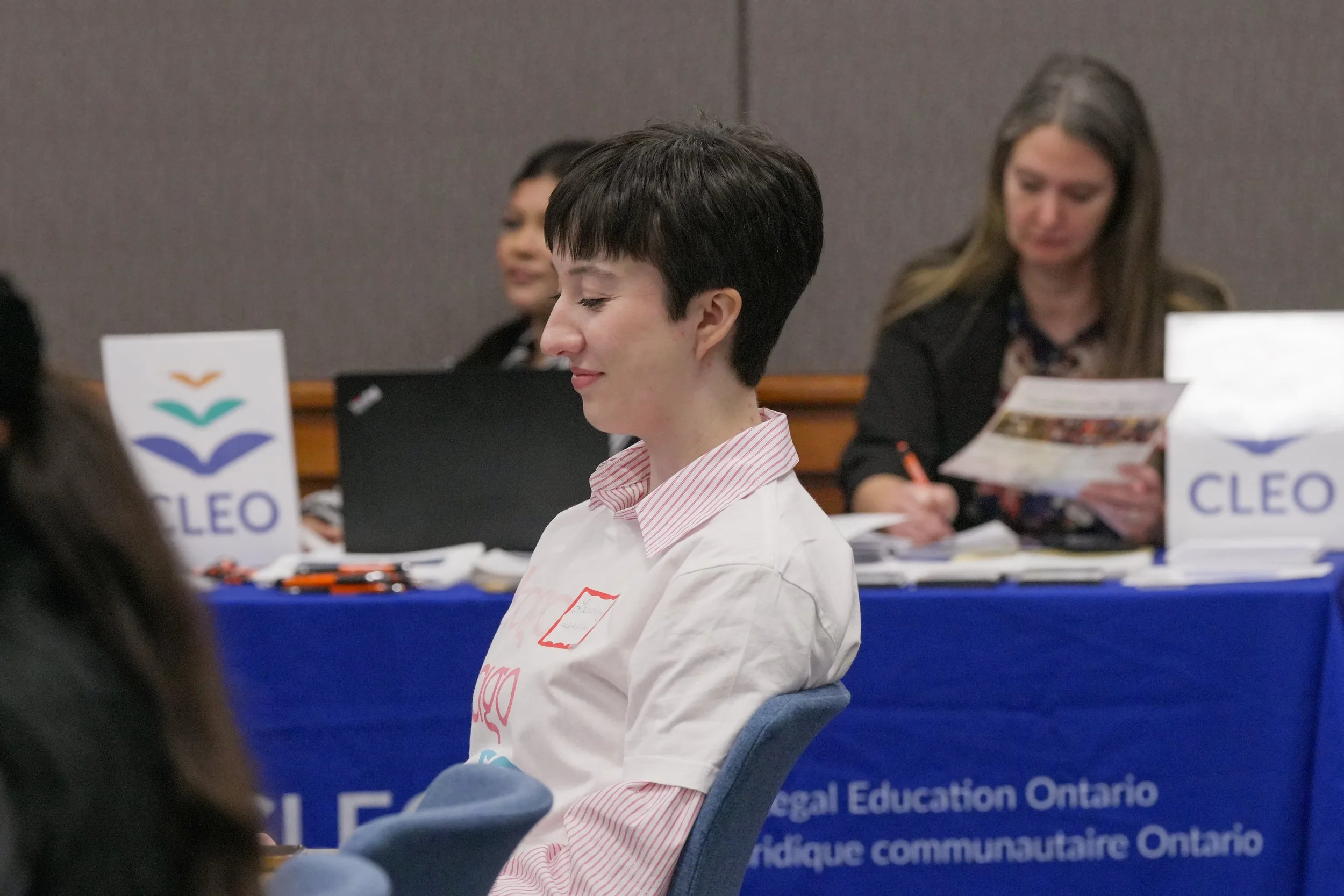
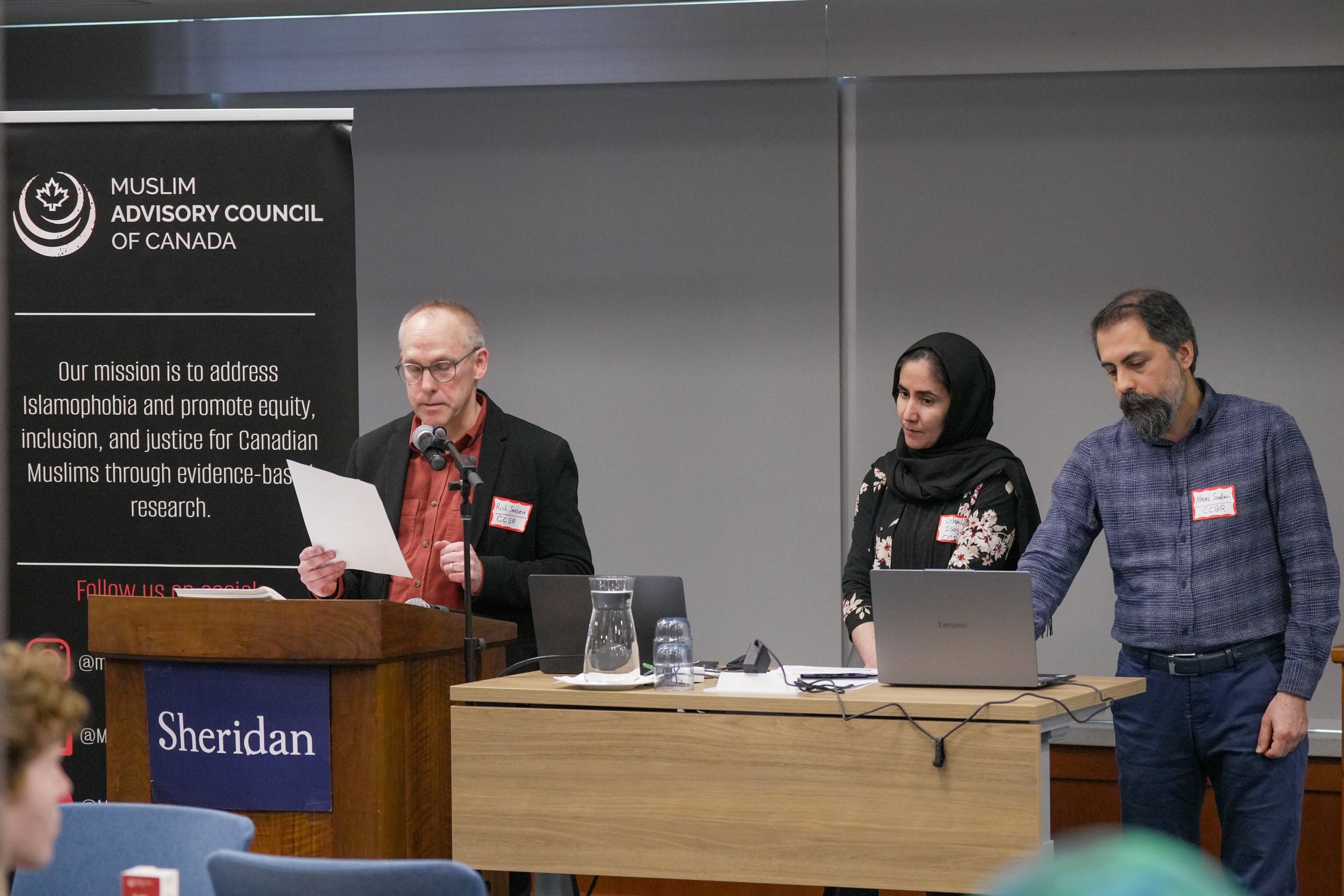
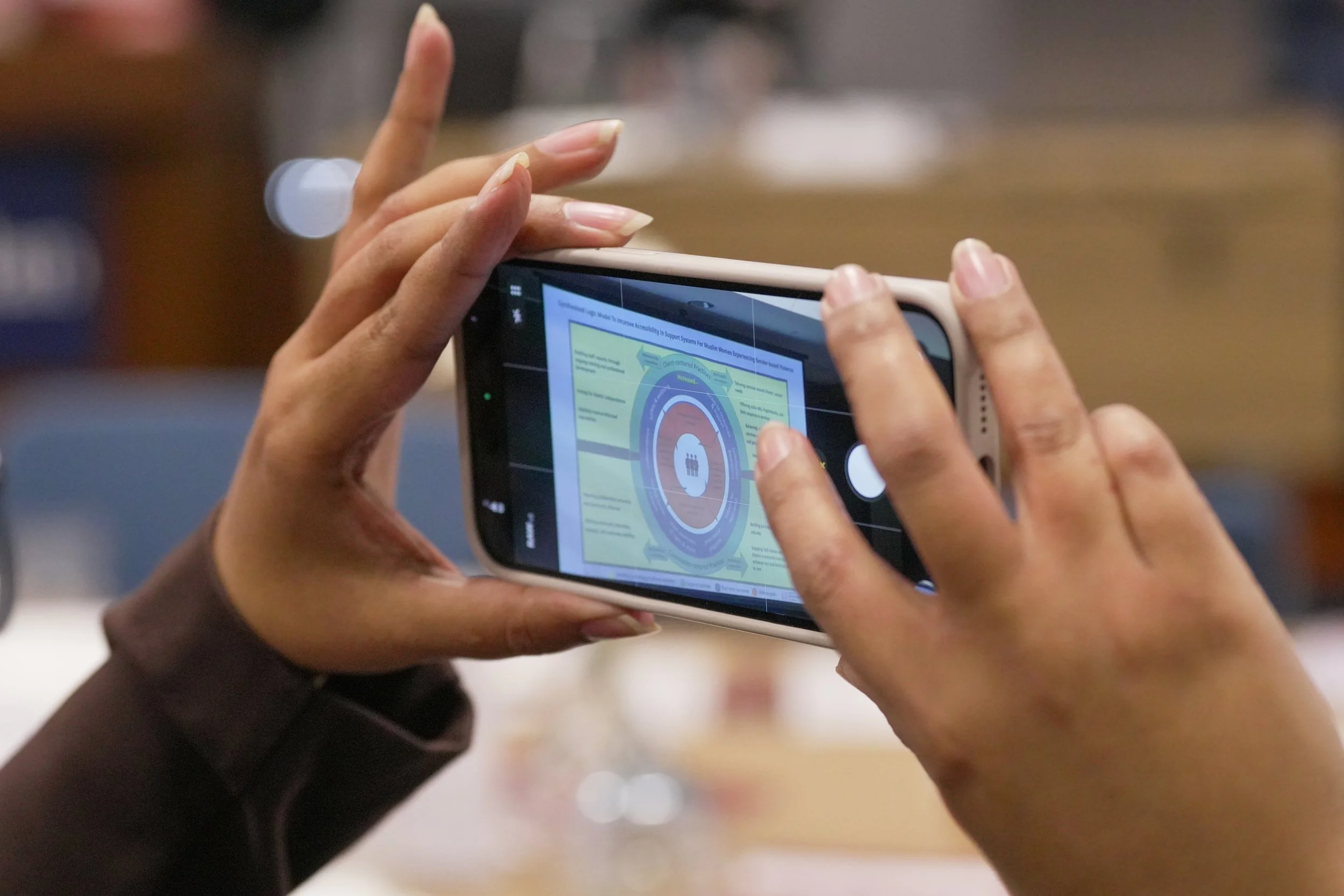
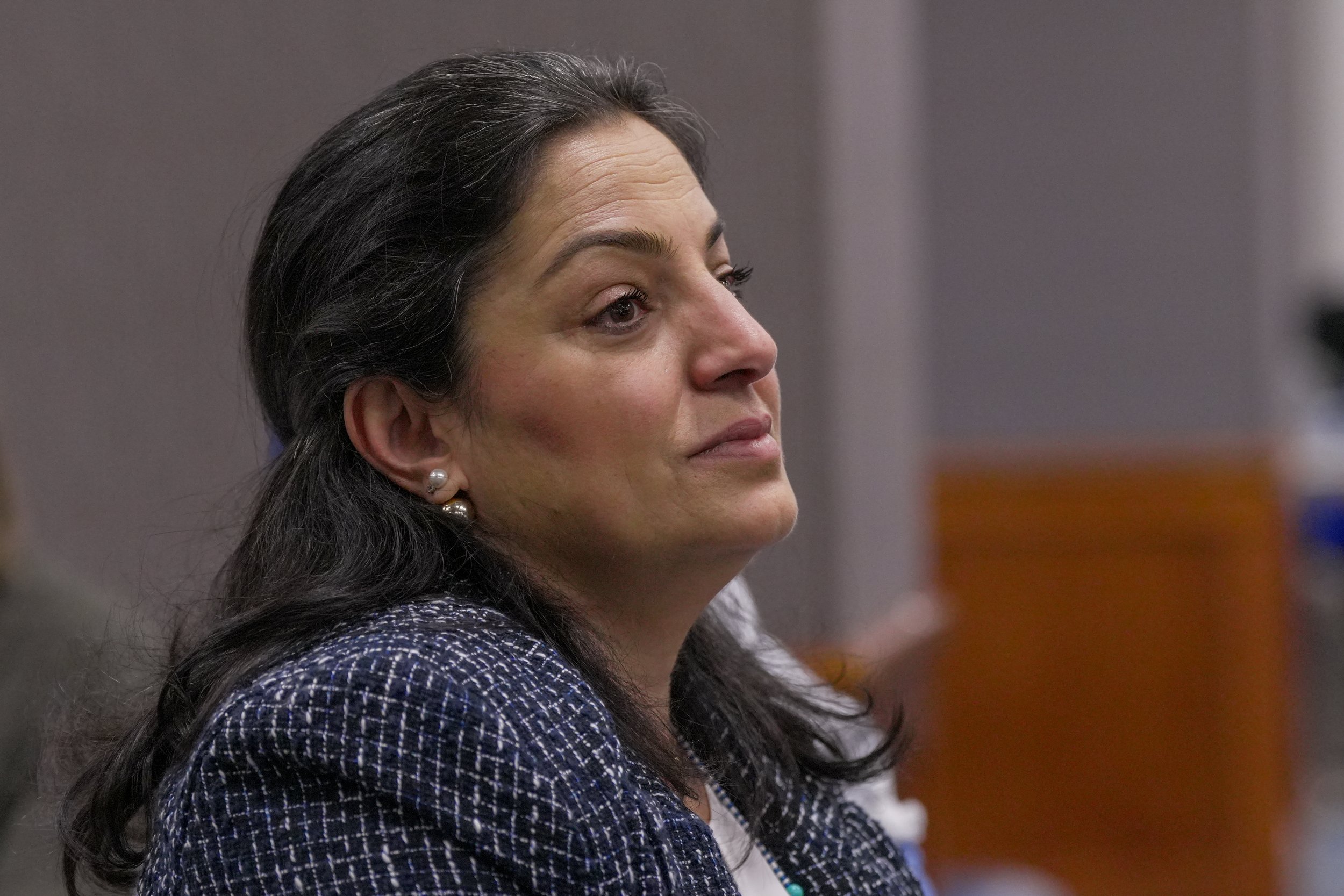
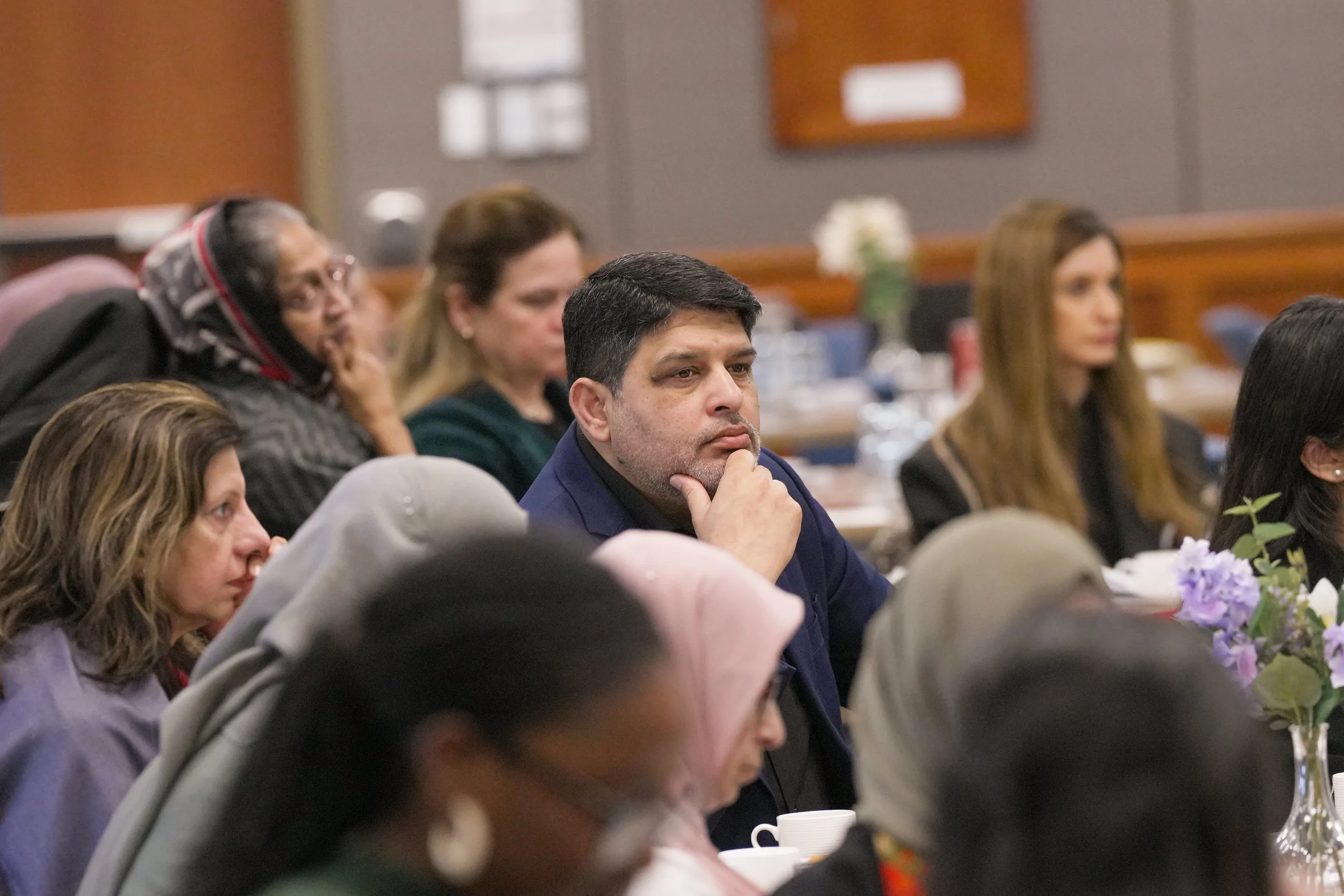
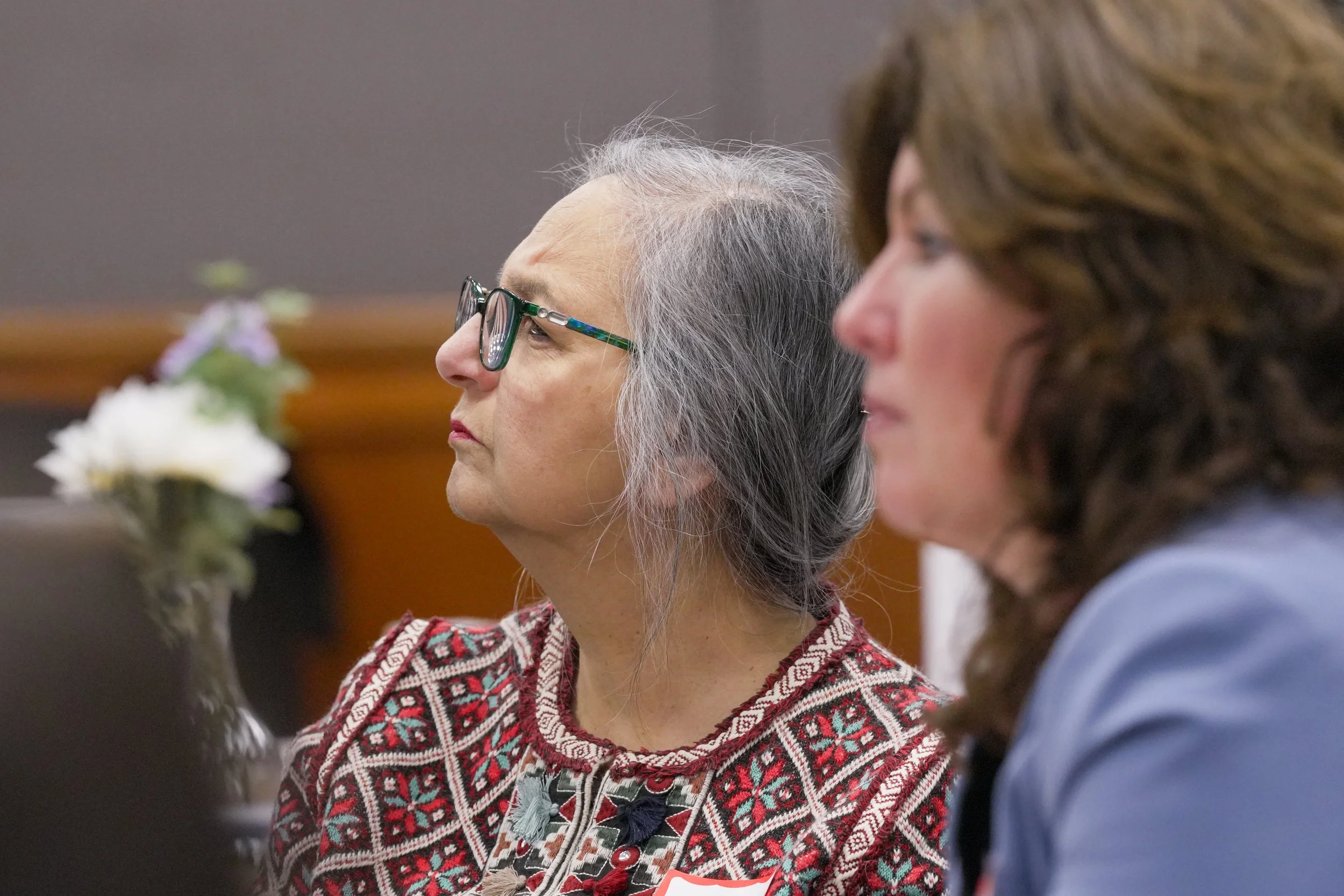
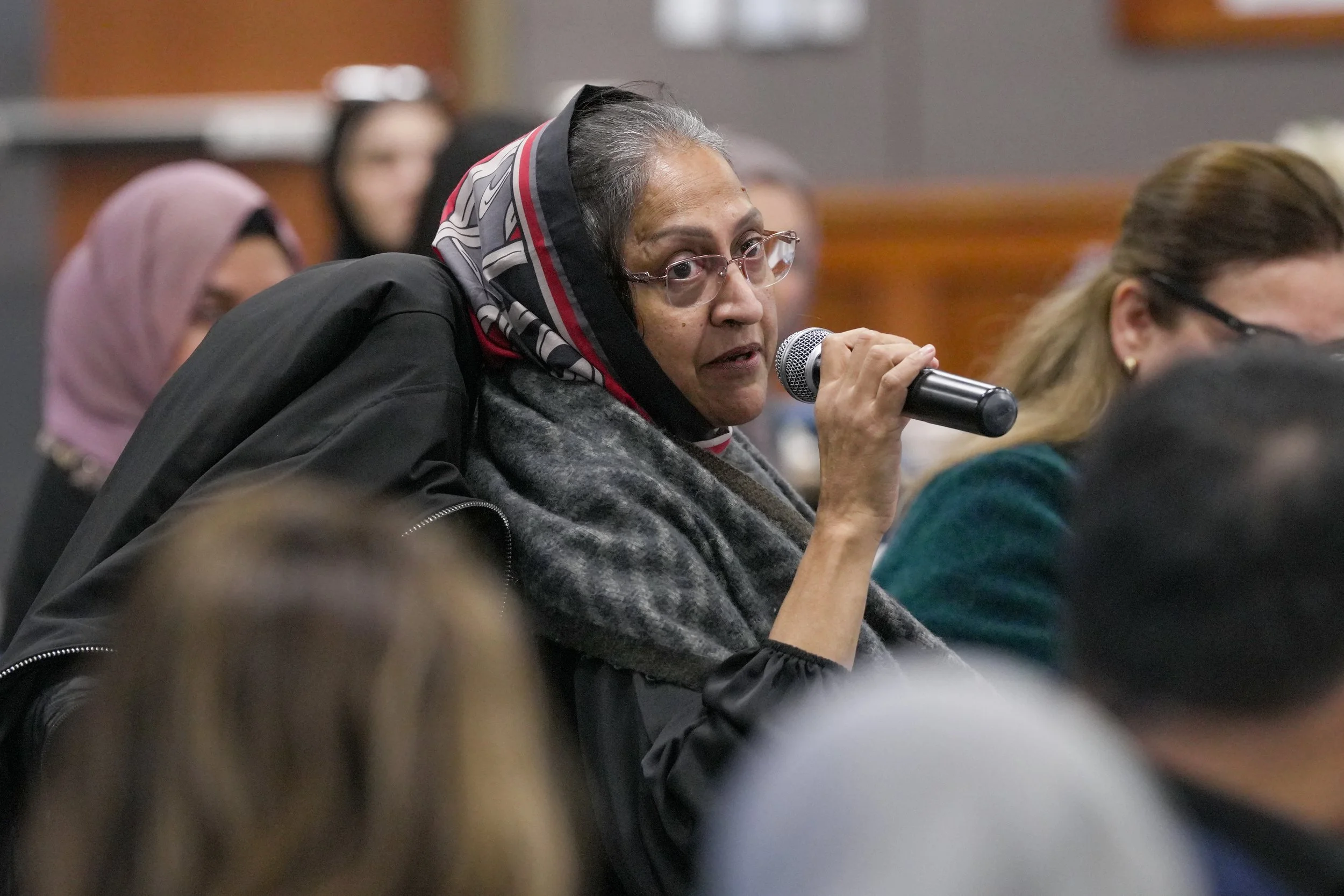
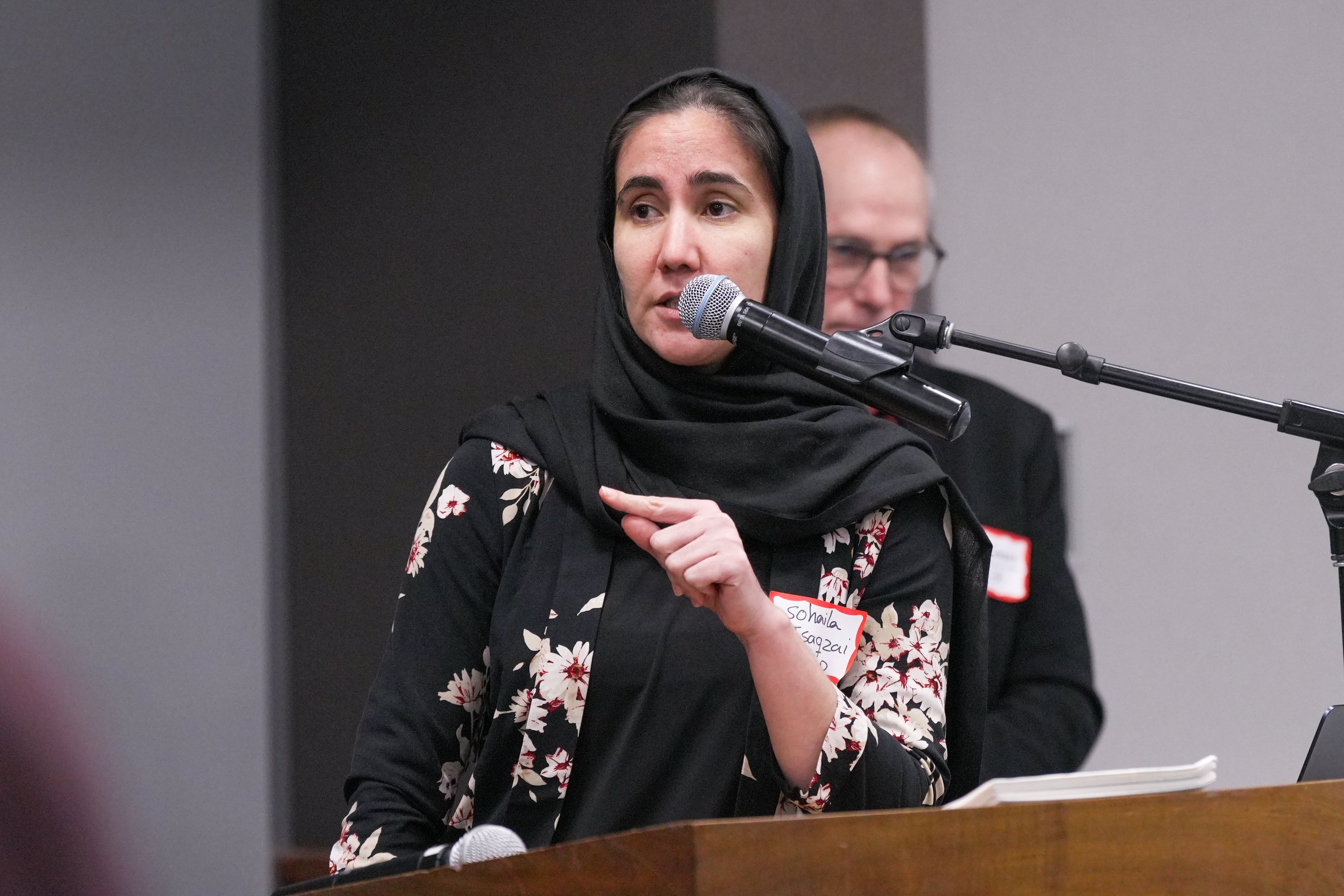
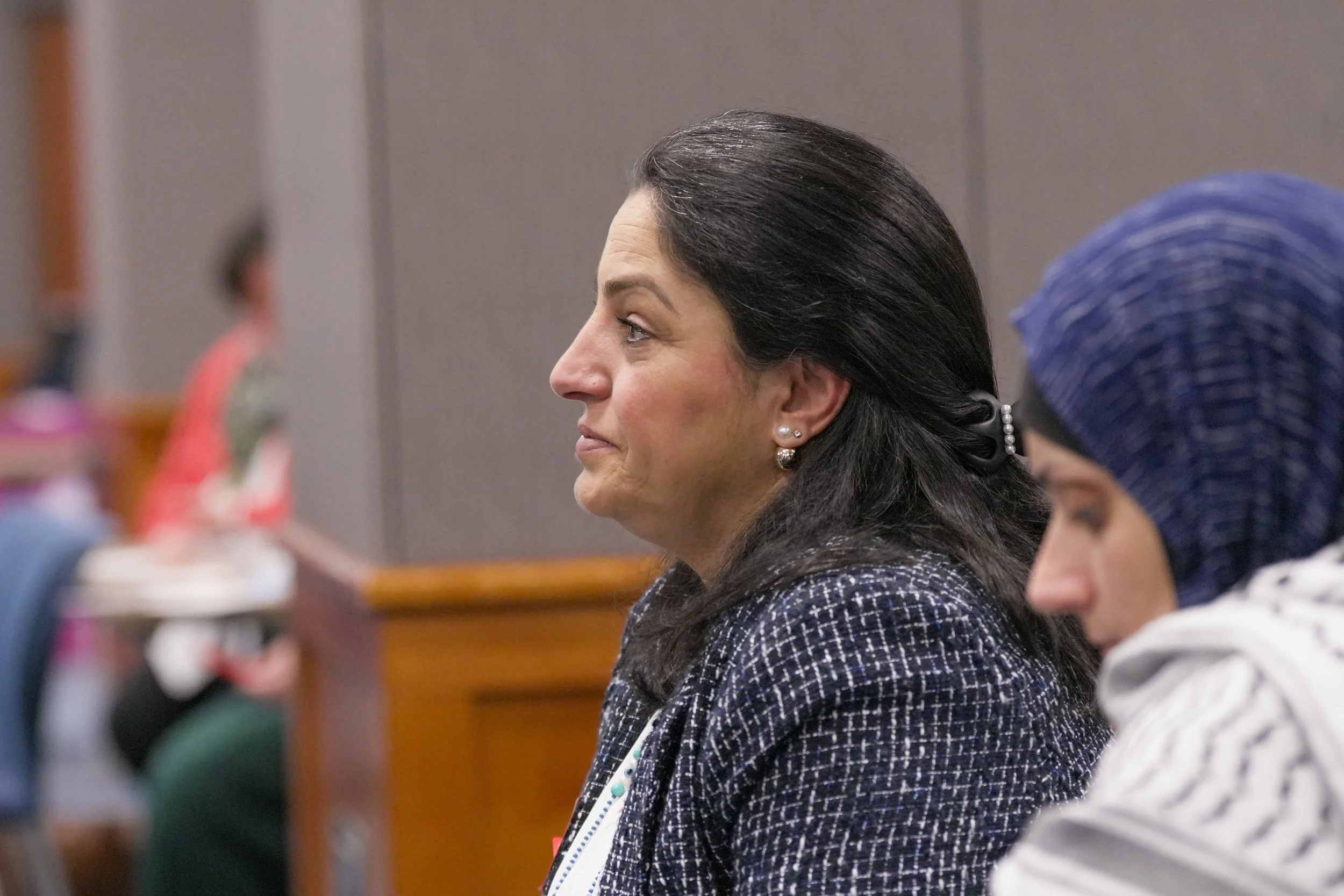
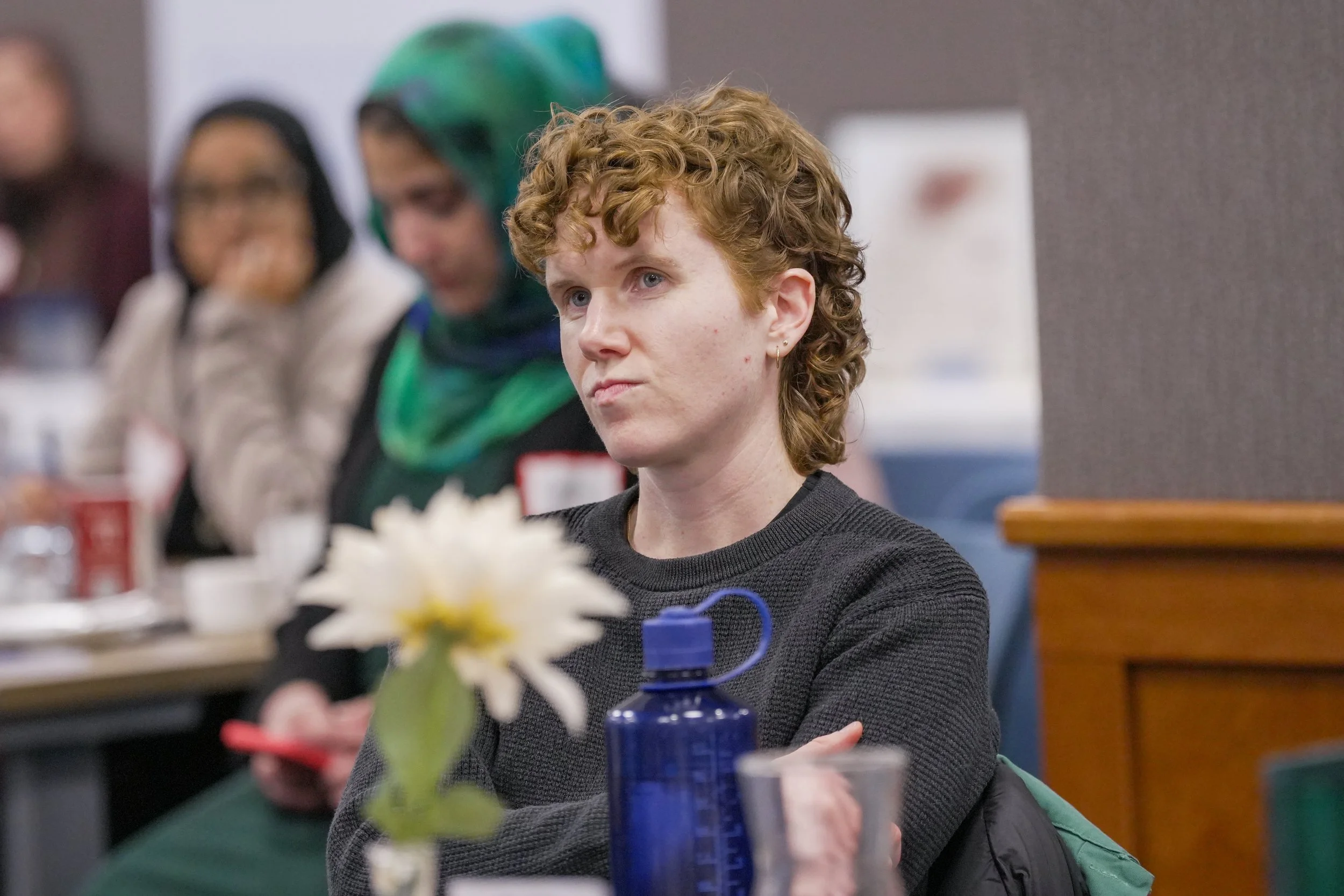
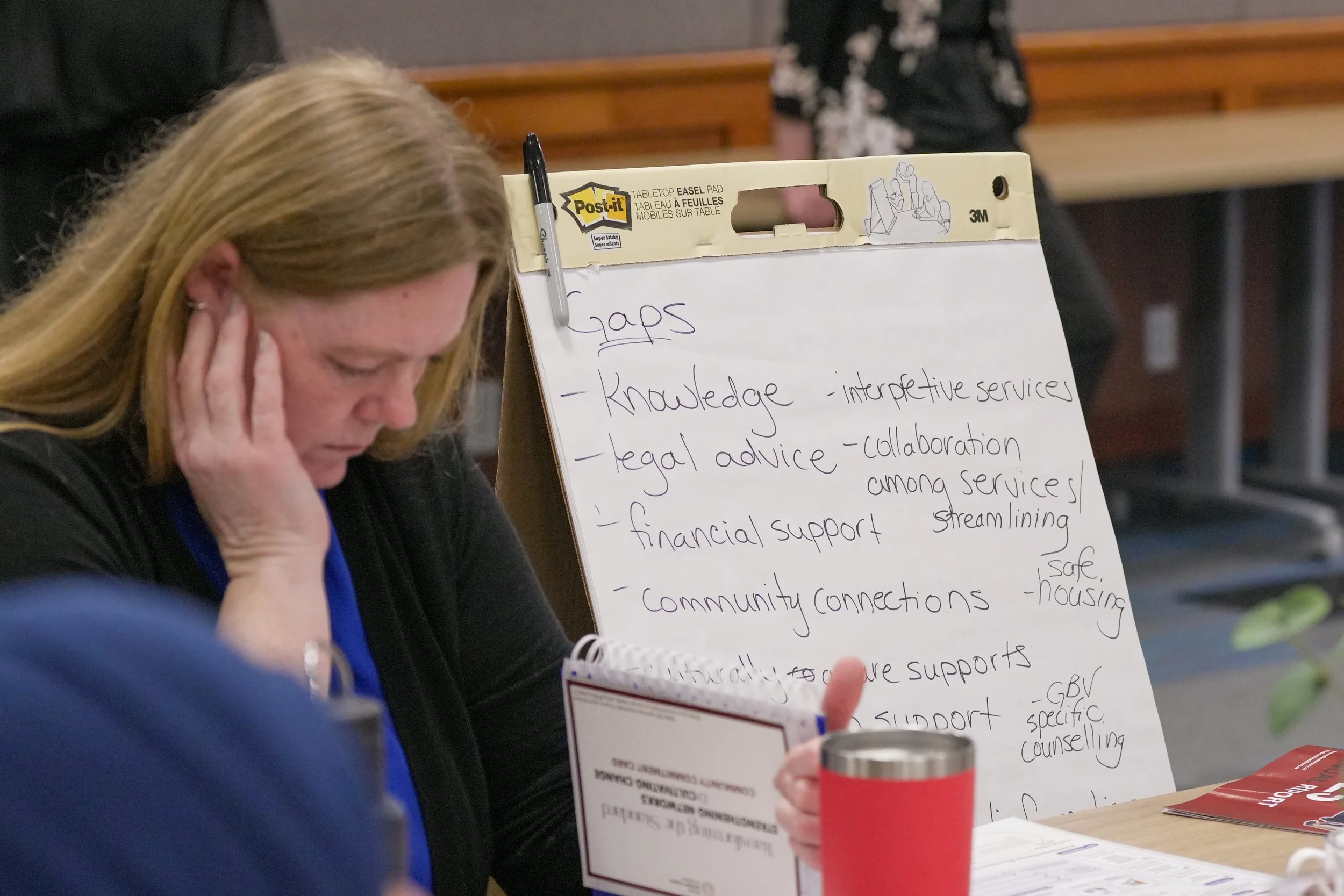
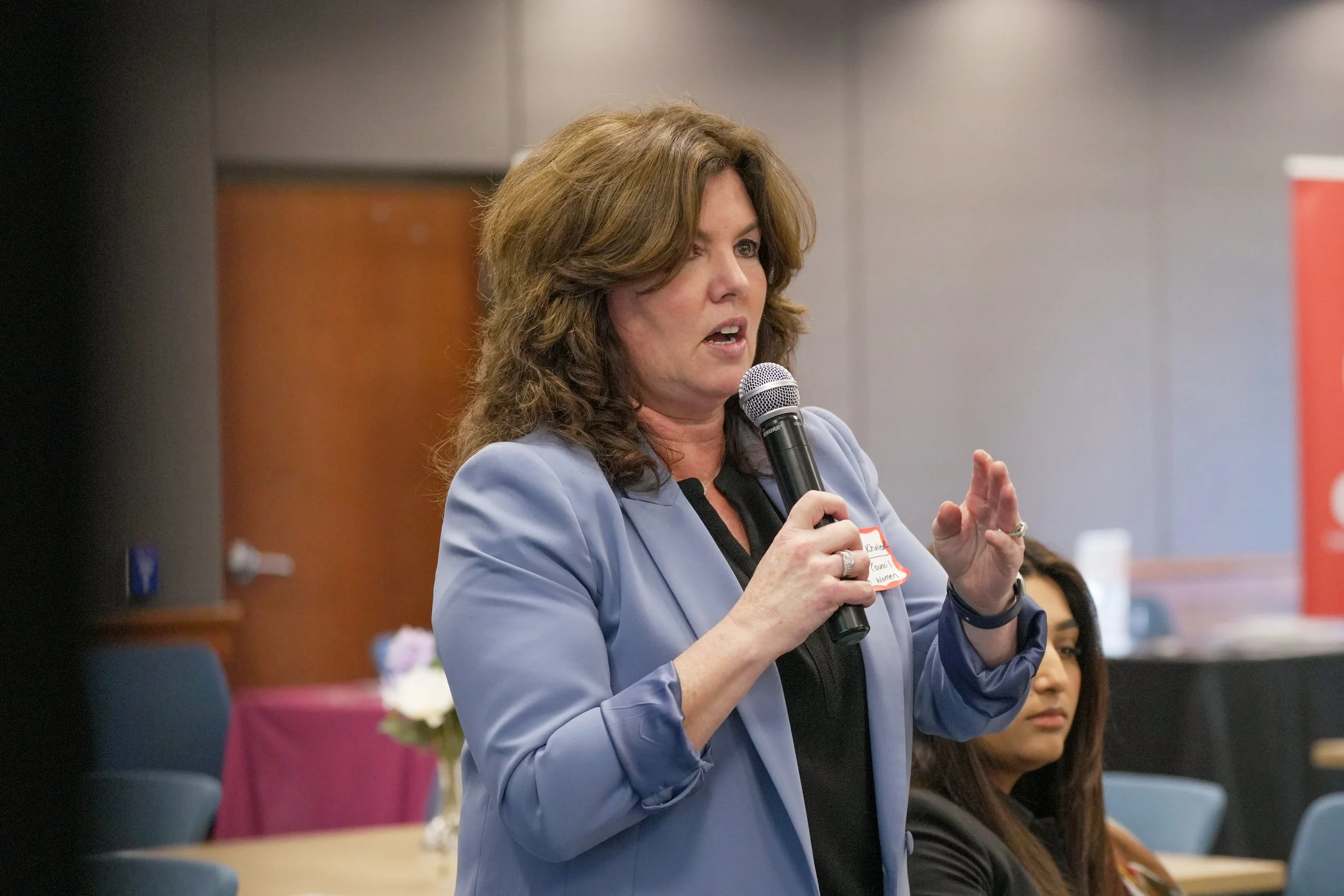
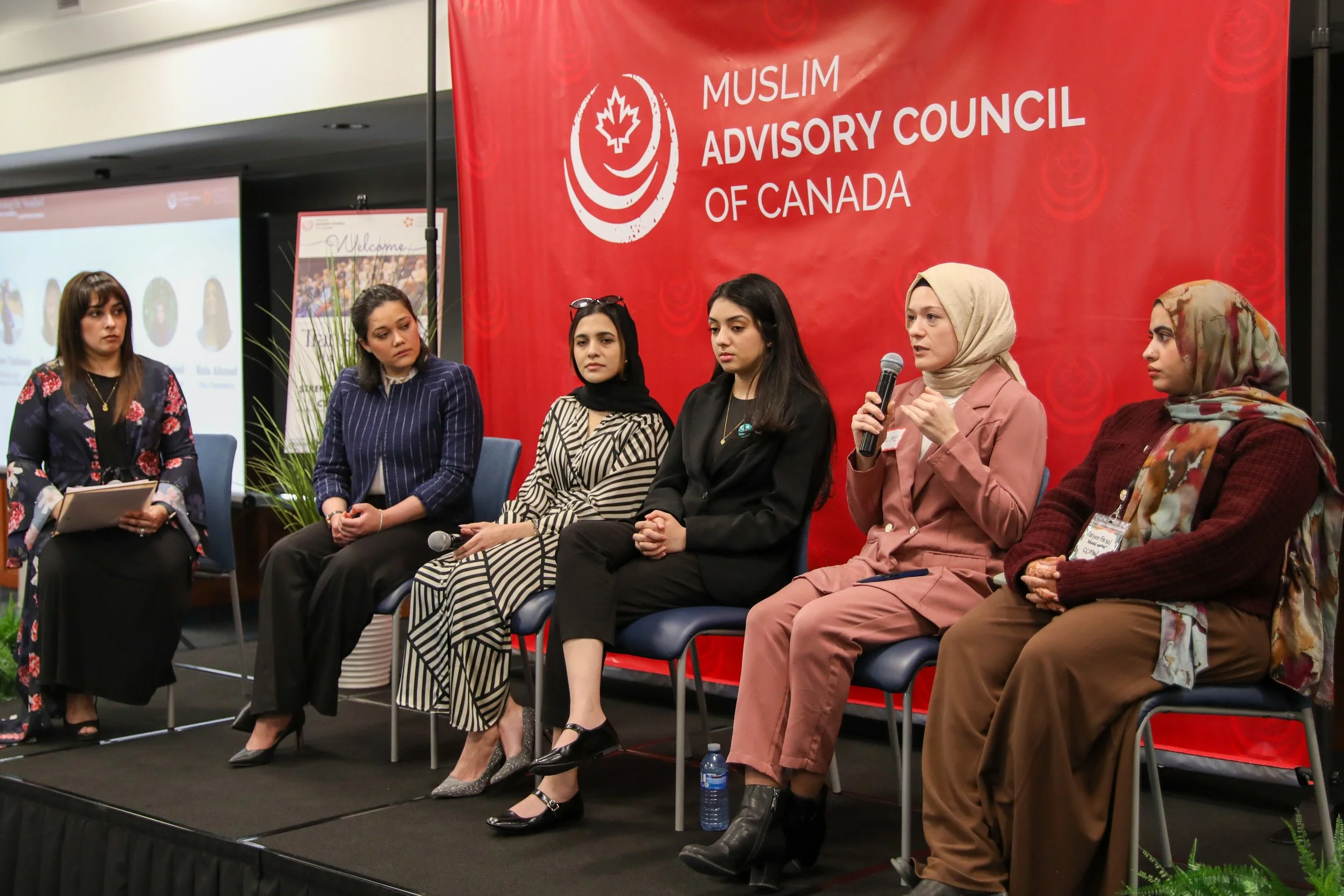
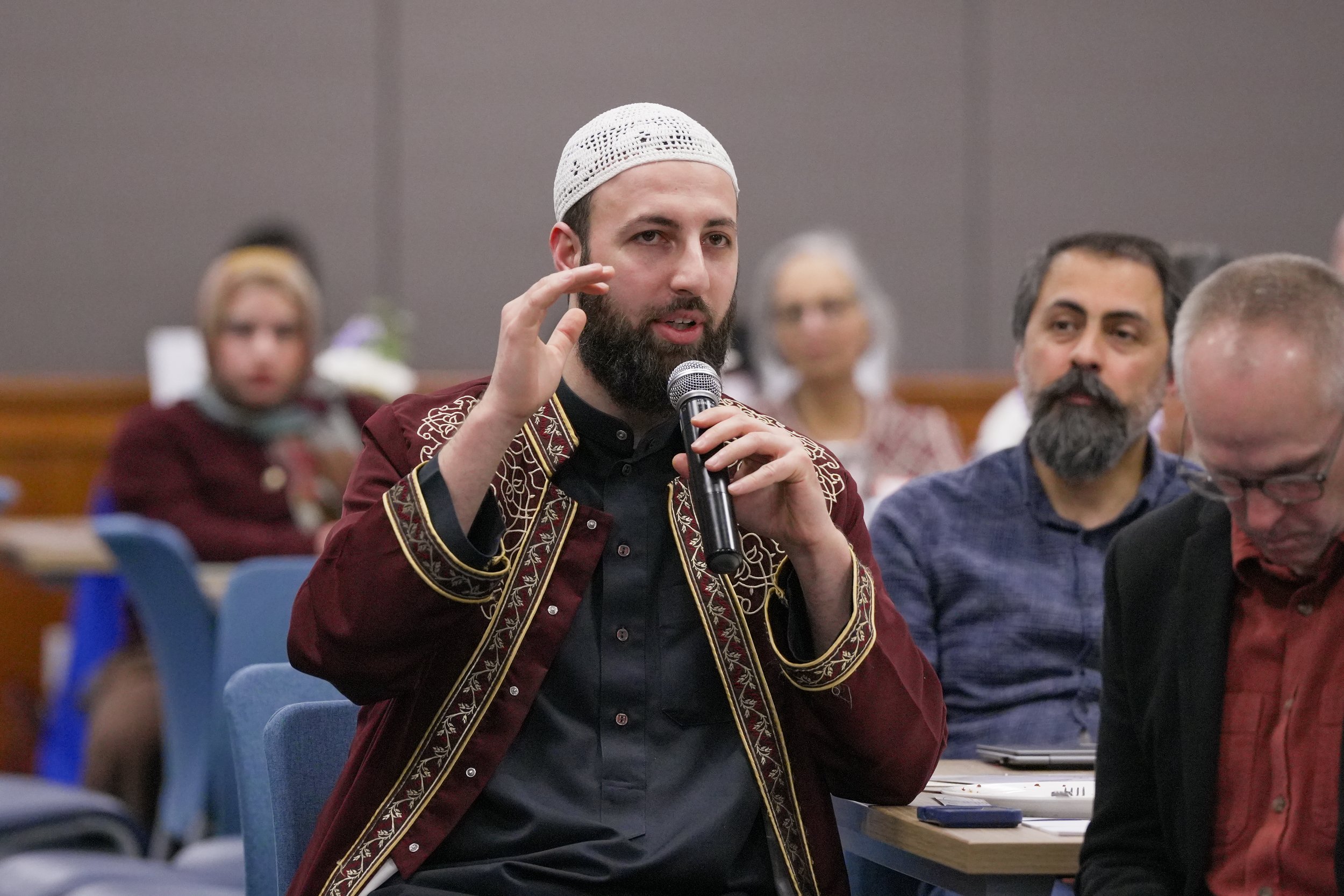
On March 25, 2026, MACC and CCBR hosted Transforming the Standard: Strengthening Networks & Cultivating Change, bringing together more than 120 service providers, researchers, community leaders, advocates, and community members. The summit marked the conclusion of the project's original research period and provided an opportunity to share findings from three years of research on the barriers Muslim women face when accessing GBV services. The program featured a keynote address by Dr. Wafaa Hasan, a presentation of the research findings by CCBR, and a panel discussion bringing together representatives from community organizations and survivor advocates. Participants also took part in a Bridge-Building Lab, an interactive activity that encouraged discussion about the relationships between organizations, gaps in existing services, and opportunities for greater coordination. Throughout the day, attendees had the opportunity to connect with organizations providing legal, social, and community-based support, including those working directly with Muslim women experiencing GBV. The summit provided an opportunity to consider how the findings could be applied in practice and what further work is needed to improve access to services.
Transforming the Standard | Event Highlights
Highlights from Transforming the Standard: Strengthening Networks & Cultivating Change, held on March 25, 2026, in Oakville.
Connecting Services, Communities, and Care: Logic Model Webinar

March 18, 2026 | Virtual Webinar
On March 18, 2026, MACC and CCBR hosted Connecting Services, Communities, and Care, a webinar introducing the community-informed logic model developed during the third phase of the research project. The session examined how social service providers, community organizations, and other institutions can contribute to more accessible and coordinated support for Muslim women experiencing gender-based violence. Drawing on the project's research findings, the webinar explored the relationships between services, communities, and the broader systems that shape women's experiences of seeking support. It also introduced the logic model as a resource for organizations interested in examining their own practices and identifying opportunities for greater collaboration.
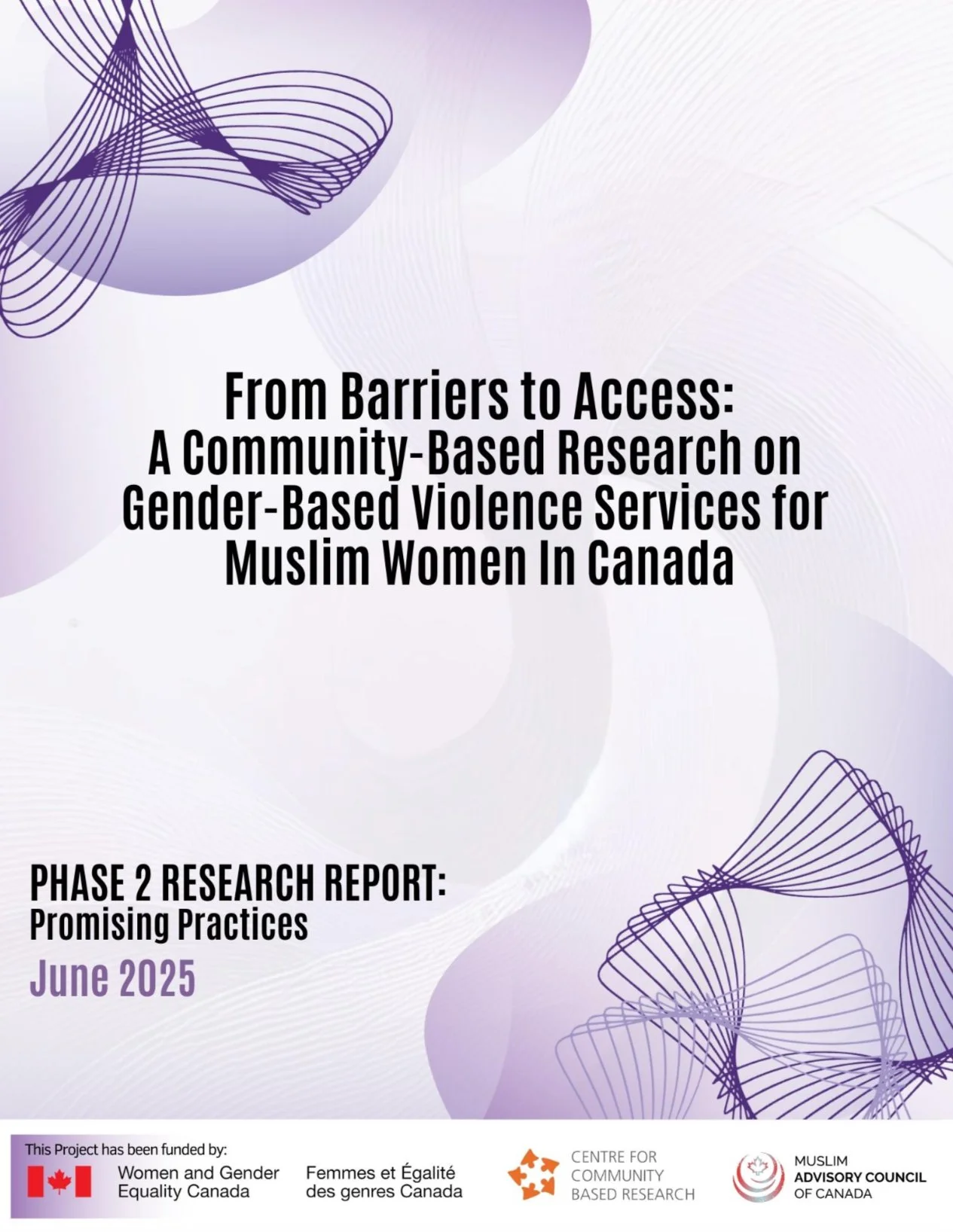
Phase 2 Research Report
The second phase of the research examined how organizations are responding to the barriers Muslim women face when accessing GBV services.
Building on the findings from Phase 1, CCBR and MACC worked with service providers to identify approaches that have shown promise in supporting Muslim women experiencing GBV.
The research highlighted the importance of individualized support, trauma-informed care, culturally responsive services, and coordination between organizations. It also examined the role of community outreach, language accessibility, and ongoing support in helping women navigate available services.
These findings offer practical considerations for organizations seeking to improve their services and respond more effectively to the circumstances of Muslim women.
From Stories to Solidarity: A Forum for Sharing and Learning
May 21, 2025 | Virtual Forum
On May 21, 2025, MACC and CCBR hosted From Stories to Solidarity: A Forum for Sharing and Learning, an online event examining promising practices in GBV service delivery for Muslim women. Building on the findings from the first phase of the research, the forum brought together researchers, service providers, community organizations, and advocates to discuss approaches that can help address barriers to accessing support. The session included a presentation of the Phase 2 research findings, followed by a panel discussion with representatives from organizations working in the GBV sector. Panelists shared their experiences supporting Muslim women, discussing the importance of culturally responsive services, individualized care, and collaboration between organizations. The discussion also considered the challenges service providers continue to face and the need for approaches that account for the different circumstances of women seeking assistance.
Phase 1 Research Report
The first phase of the project examined the barriers Muslim women face when disclosing experiences of GBV and seeking support.
Through surveys, focus groups, community engagement, and a review of existing research, MACC and CCBR identified challenges that can affect women's ability to access services.
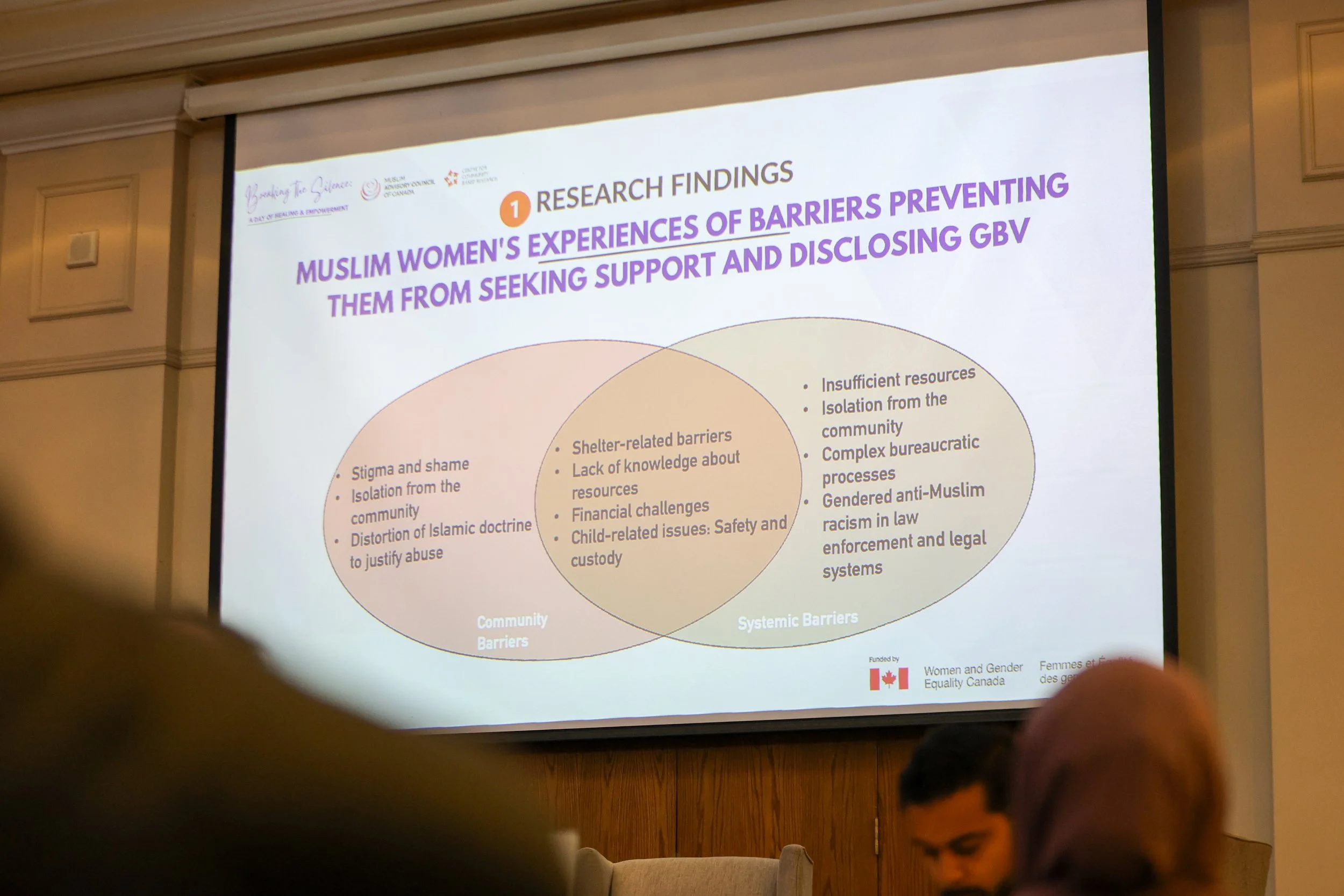
The findings highlighted barriers within Muslim communities, including stigma surrounding GBV, concerns about family and community reputation, and limited awareness of available resources.
The research also identified systemic challenges, including discrimination, financial insecurity, difficulties navigating service systems, and a lack of culturally responsive support.
These findings informed the second phase of the project, which examined how service providers and community organizations are responding to these challenges

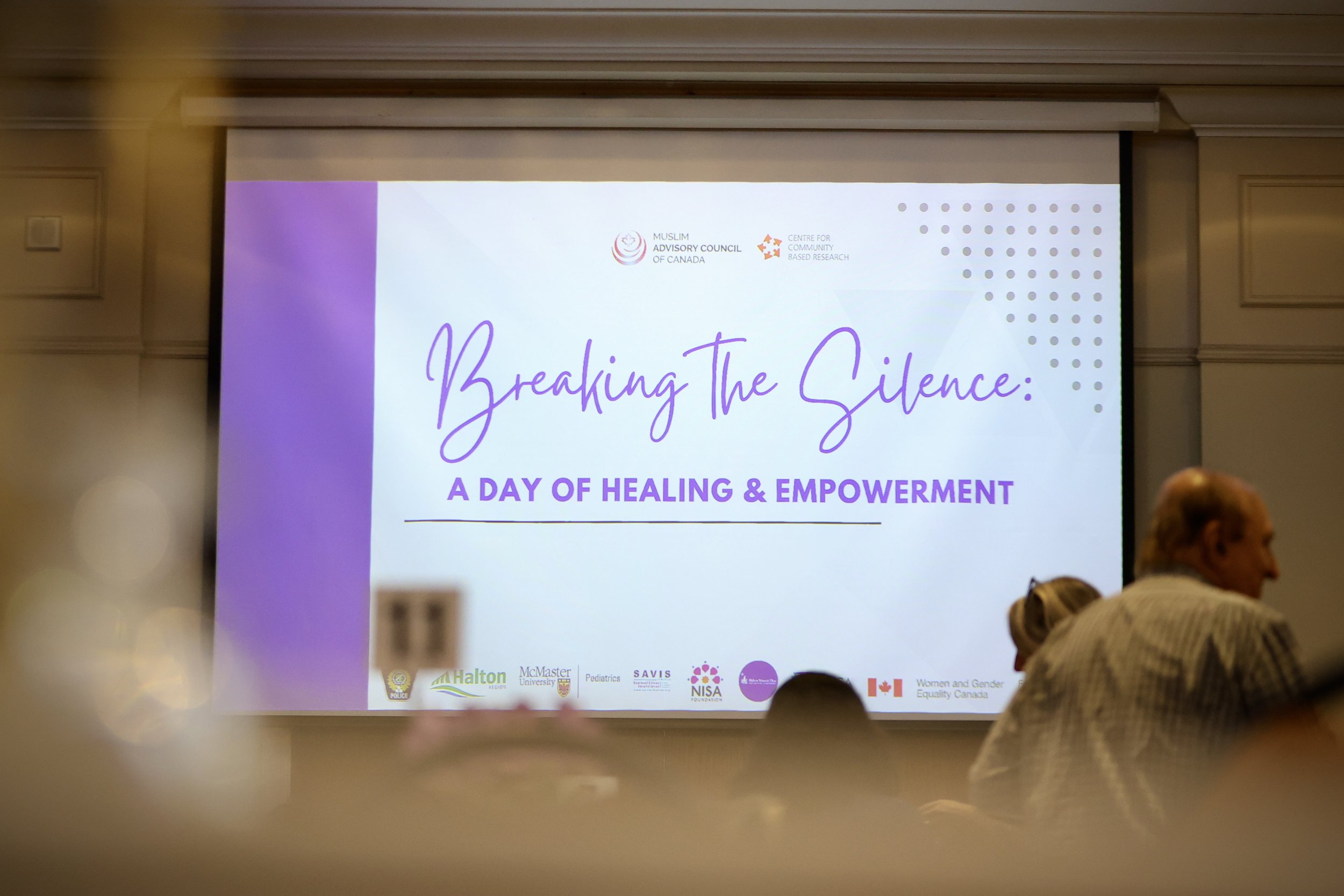
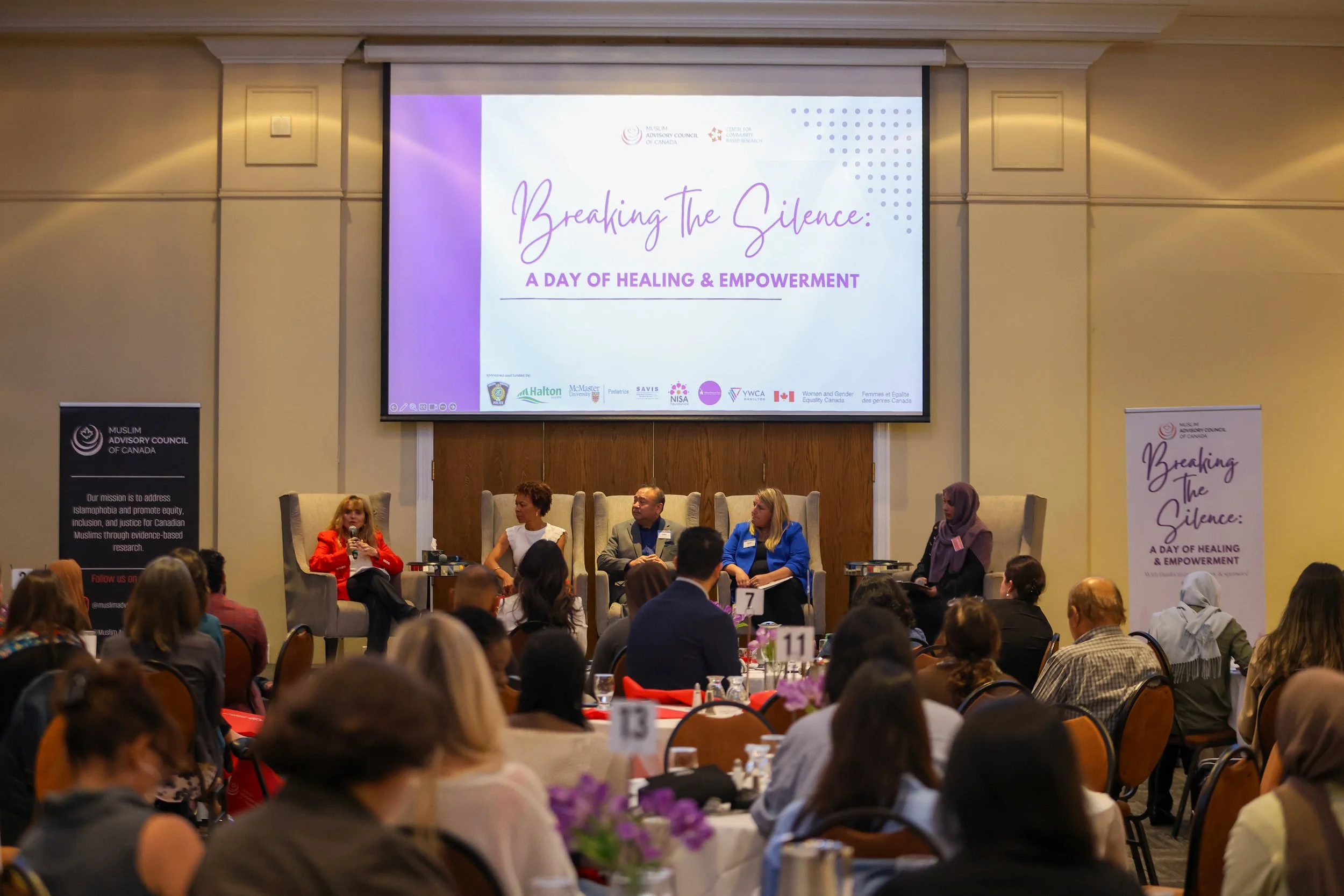
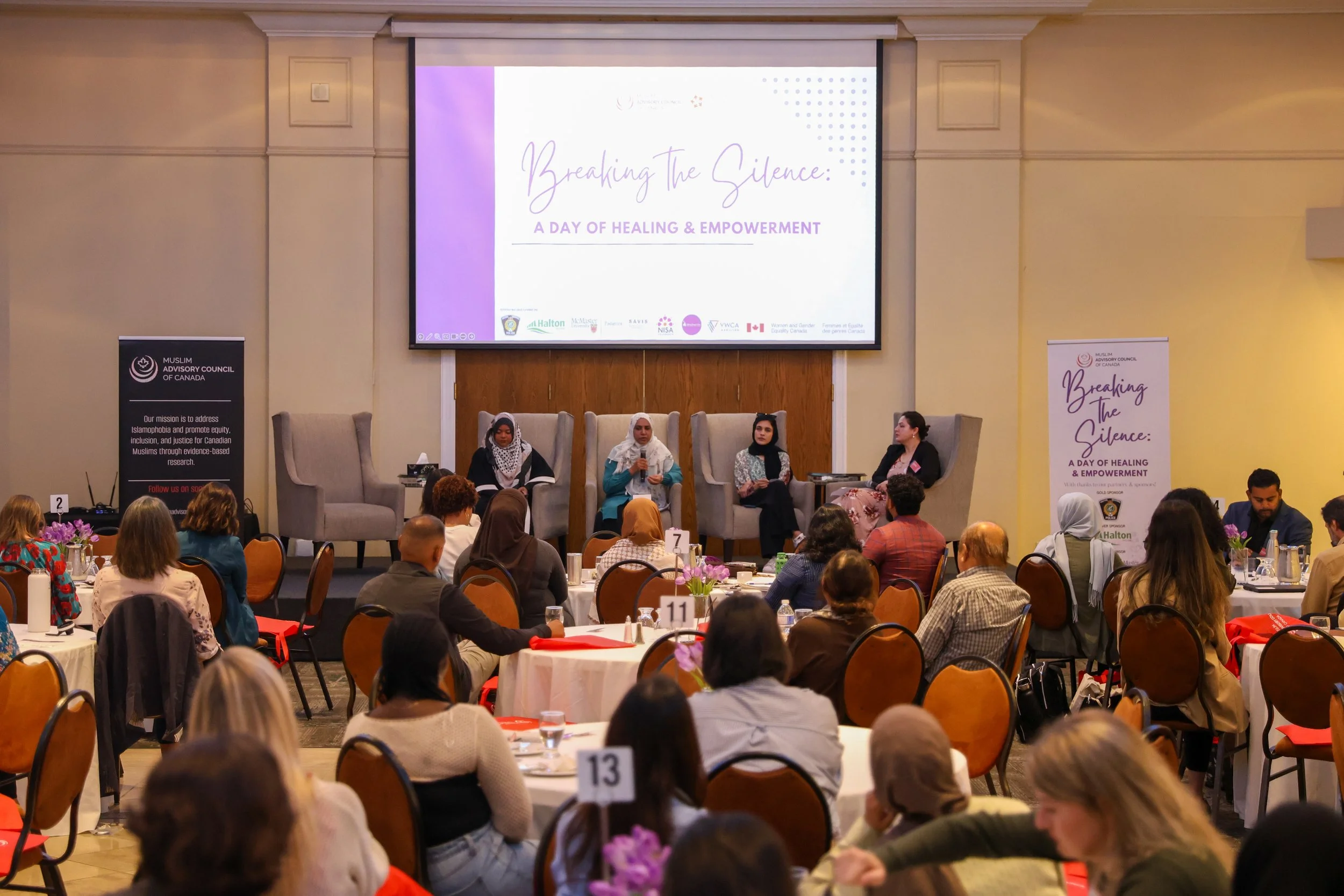
Breaking the Silence - A Day of Healing and Empowerment
September 13, 2024 | Burlington Convention Centre, Burlington
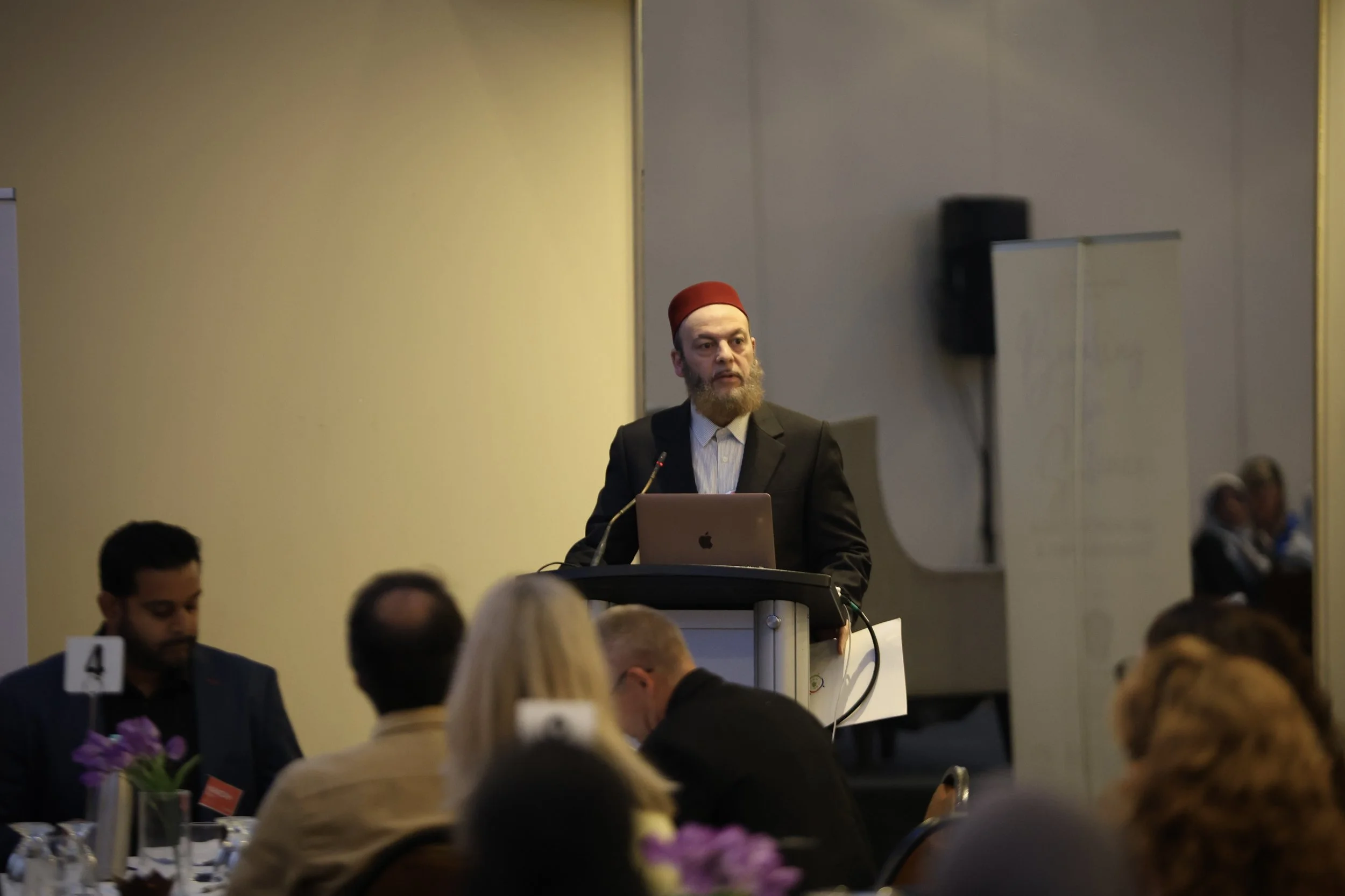
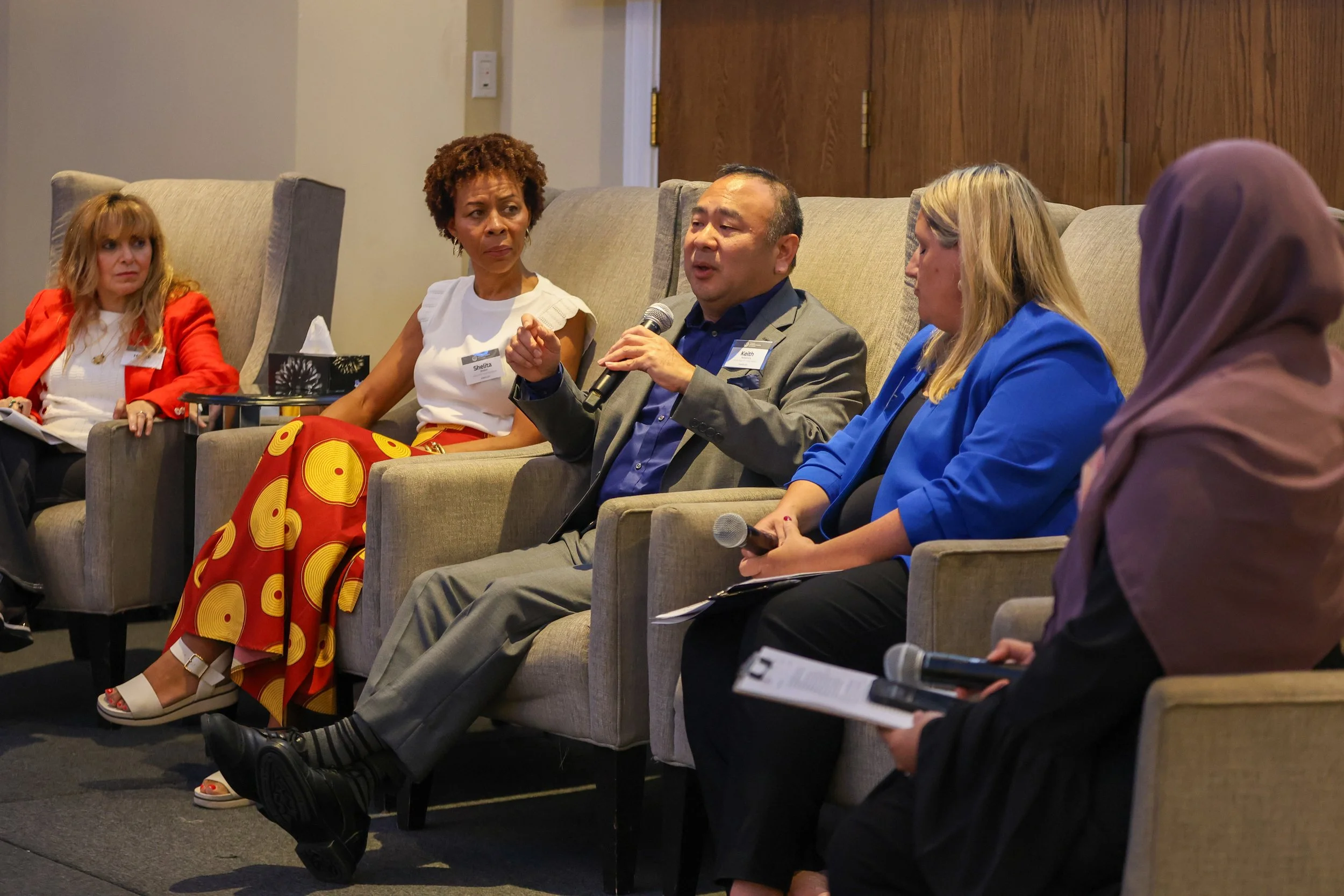
On September 13, 2024, MACC and CCBR hosted Breaking the Silence: A Day of Healing and Empowerment, bringing together more than 150 community members, service providers, researchers, and advocates to discuss gender-based violence within Canadian Muslim communities.
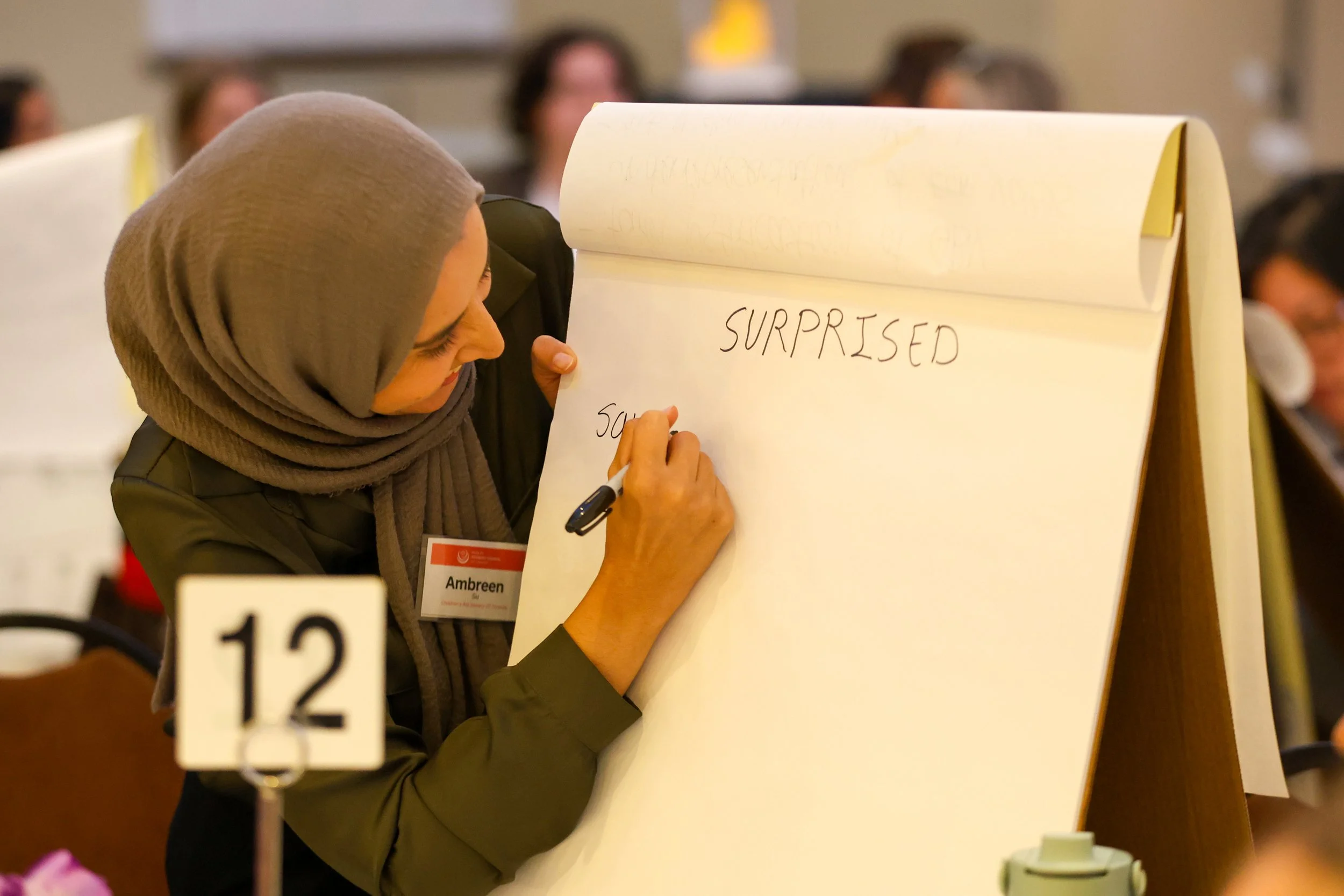
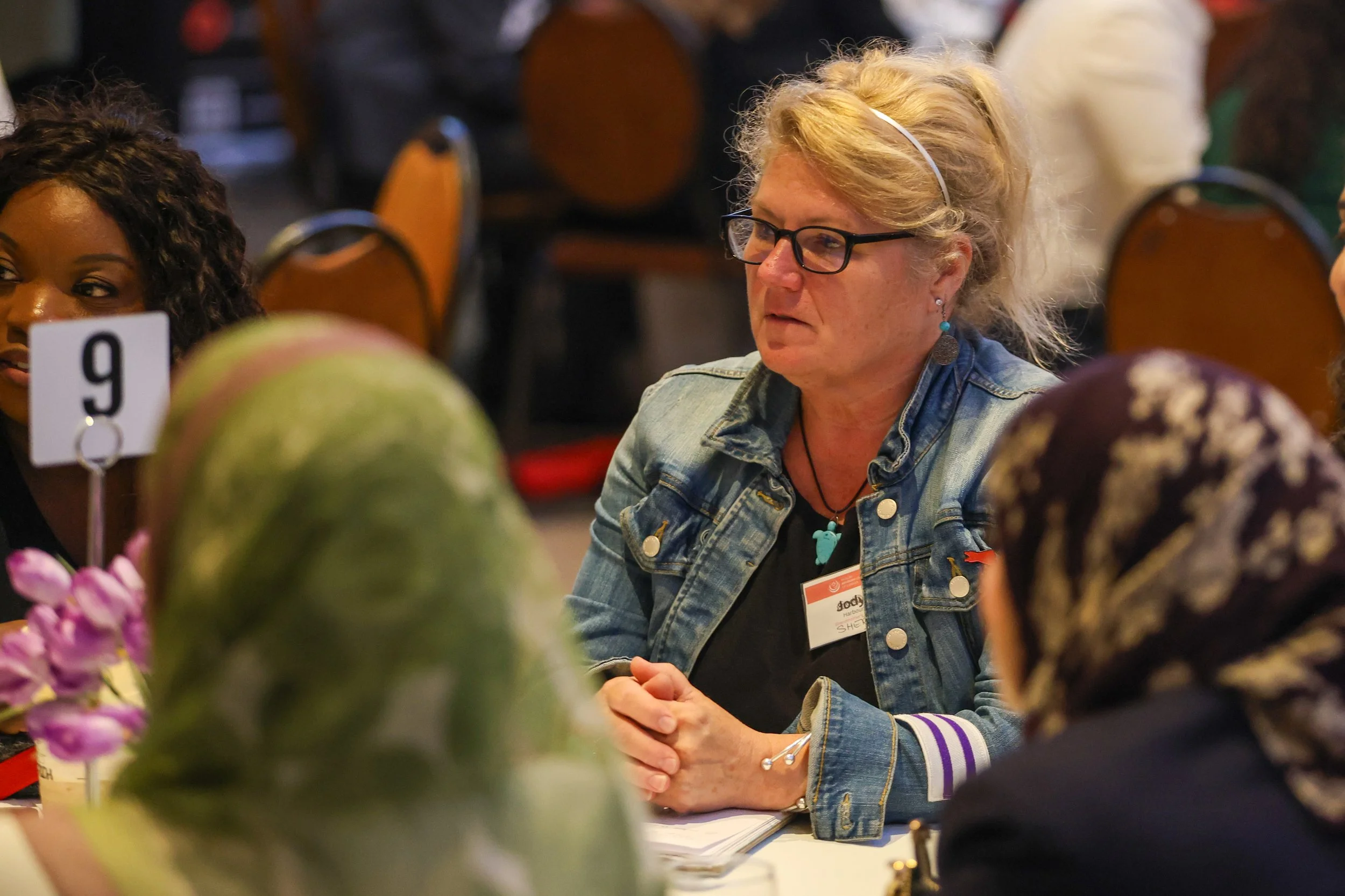
The event provided an opportunity to share preliminary findings from the first phase of the research and hear from individuals and organizations working to support Muslim women experiencing GBV. Through research presentations, panel discussions, and interactive activities, participants explored the barriers Muslim women face when seeking assistance, including community stigma, discrimination, and difficulties accessing appropriate services. The program also included personal accounts from survivors, bringing attention to the experiences of women navigating gender-based violence and the importance of accessible, culturally responsive support.
Breaking the Silence provided an opportunity to bring the research into conversation with the community and helped inform the subsequent phases of the project.
Breaking the Silence | Event Highlights
Highlights from Breaking the Silence: A Day of Healing and Empowerment, held on September 13, 2024, in Burlington.